
Are You Just Stretching or Actually Activating?

You've been stretching your hamstrings for years. Maybe your hip flexors too. And yet… you still feel tight. Sound familiar?
Here's the thing, what if that tightness isn't actually a flexibility problem? What if your body is holding tension because certain muscles aren't doing their job in the first place?
This is the conversation most people never have with their trainers, coaches, or even physical therapists. And it's exactly why so many athletes and weekend warriors hit a wall with their mobility, no matter how many yoga classes they attend.
Let's break down the real difference between stretching and activating, and where muscle activation technique fits in.
What Stretching Actually Does to Your Body
Don't get me wrong, stretching has its place. Static stretching after a workout can help bring your nervous system back down and aid recovery. Dynamic stretching before activity can help prepare your joints for movement.
But here's what most people don't realize: stretching tells your nervous system to become less active and reduce tension in muscles.

That "looser" feeling you get after stretching? It's not because your muscles got longer. Research suggests that short-term gains from stretching mostly come from a change in how your nervous system tolerates the stretch sensation (Weppler & Magnusson, 2010). The sensation is real, but the underlying issue often remains untouched.
Even more concerning, research shows that static stretching right before activity can temporarily lower muscle strength and power output, especially with holds of 60 seconds or more per muscle (Behm et al., 2016). So if you're stretching your hip flexors right before stepping on the field or into the gym, you might actually be setting yourself up for compensation down the line.
Muscle Activation: A Different Conversation Entirely
Muscle activation is the opposite approach. Instead of asking your nervous system to calm down and release tension, activation focuses on waking muscles up and getting them to engage properly.
When you activate a muscle, you're essentially upgrading the communication between your brain and that tissue. You're telling your body, "Hey, this muscle exists, and I need it to fire when I ask it to."
This is huge for athletes: and honestly, for anyone who moves. Your body is incredibly smart. If a muscle isn't activating properly, your nervous system will find a workaround. It will recruit other muscles to pick up the slack. And that's where compensation patterns start to develop.
Why Stretching a Weak Muscle Can Backfire
Here's where things get interesting.
Let's say your glutes aren't firing well. Your body still needs to stabilize your pelvis when you walk, run, or squat: so it asks your lower back and hip flexors to work overtime. Over time, those muscles get overworked and feel "tight."
Your instinct? Stretch the tight spots.
But think about it: those muscles are tight because they're doing extra work. They're compensating for something else that's not pulling its weight. Stretching them might give you temporary relief, but you haven't addressed the root cause.
In my view, this is why so many people get stuck in a cycle of chronic tightness. They stretch and foam roll religiously, feel better for a day, and then the tightness comes right back. It's frustrating, and I see it all the time.
The real question isn't "what's tight?" It's "what's not working that's causing this tightness in the first place?"
How Muscle Activation Technique Fits In
This is exactly where muscle activation technique (MAT) comes into play.
MAT isn't stretching. It's not massage. It's a systematic process of assessing which muscles aren't communicating well with your nervous system and then working on those weak links.
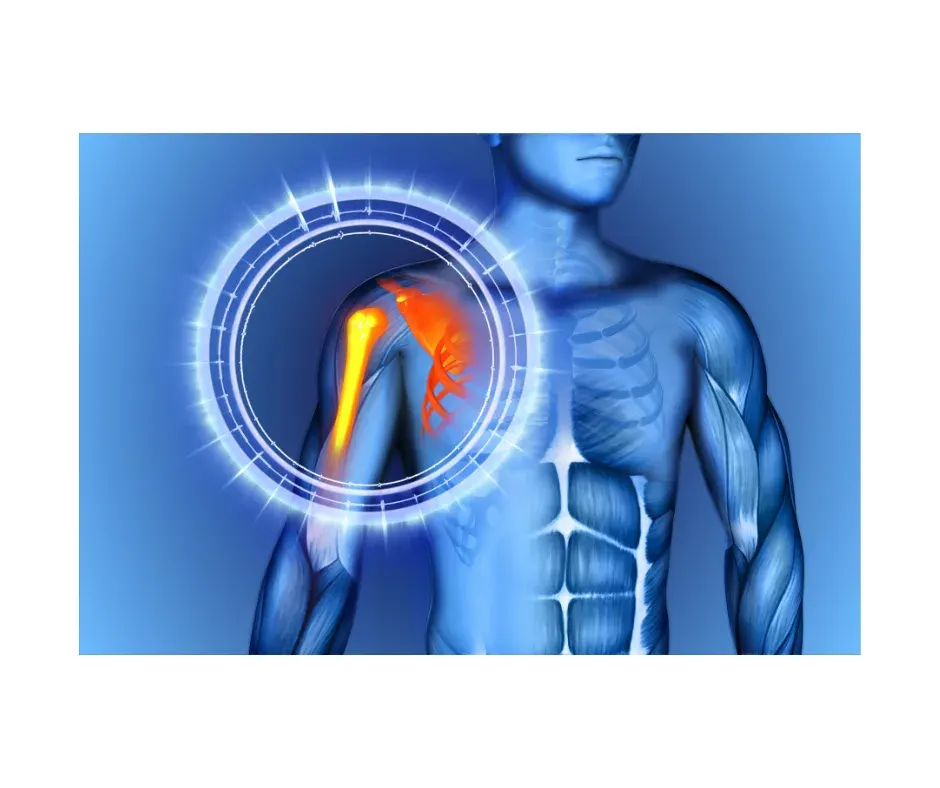
Here's how it works in practice:
- Assessment: We test your range of motion to identify where limitations exist
- Muscle Testing: We isolate specific muscles to determine which ones aren't activating properly
- Correction: Using precise techniques, we aim to "wake up" those dormant muscles
- Re-test: We check range of motion again to see if the limitation has improved
When a muscle that wasn't firing starts doing its job again, something interesting happens: your body may no longer need to create tension elsewhere to compensate. That chronic tightness you've been battling? For many people it eases as the underlying cause is addressed.
This is how MAT aims to improve range of motion without ever asking you to stretch. We're not forcing length into tissues. We're working to restore proper muscle function so your body feels safe enough to allow that range.
If you want to dive deeper into how this approach works for specific issues, check out our post on using MAT to combat shoulder tightness in baseball pitchers.
Breaking the Compensation Cycle
One of the biggest benefits of focusing on activation over stretching is that you can start to reduce compensation patterns instead of managing symptoms.
Think about it this way:
- Stretching approach: Feel tight → stretch tight area → feel temporary relief → tightness returns → repeat
- Activation approach: Feel tight → identify what's not activating → restore proper muscle function → compensation can reduce → tightness often eases

Athletes especially benefit from this mindset shift. When you reduce compensation, you're not just moving better: you can also reduce the repetitive stress on tissues that weren't designed to handle that workload. That's the idea behind injury prevention.
For those dealing with chronic low back issues, we wrote about breaking the cycle of chronic low back tightness using similar principles.
Tracking Your Progress: Why Data Matters
For our throwing athletes, The Diamond Arm Lab app tracks throwing workload over time.
Here's the deal: knowing that you "feel better" is great, but having actual data on your range of motion improvements and how your body responds to different interventions is a game-changer. It takes the guesswork out of the equation and helps us (and you) make smarter decisions about your training and recovery.
FAQ
Is stretching bad for me?
Not at all. Stretching has its place, especially for cool-downs and general relaxation. The problem is when stretching becomes your only tool for addressing mobility limitations: especially when those limitations are caused by muscles that aren't activating properly.
How do I know if I have compensation patterns?
Common signs include chronic tightness that keeps returning despite stretching, feeling "off" on one side of your body, recurring minor injuries, or hitting a plateau with your mobility despite consistent work. An MAT assessment is designed to identify where your weak links are.
How quickly can I expect to see results with MAT?
Some people notice a change in range of motion during their first session, but results vary. Long-term results depend on factors like how long the dysfunction has existed and how consistently you reinforce the corrections. We'll talk through realistic expectations during your assessment.
Can I combine MAT with my current training?
Absolutely. MAT works alongside your existing routine: it's not a replacement for training. Think of it as optimizing your foundation so your training can become more effective.
Do I need to stop stretching completely?
No. But you might find that once your muscles are activating properly, you don't feel the need to stretch as much. The goal is to address the root cause, not just manage symptoms.
Ready to find out what's actually limiting your movement? Call or text (360) 836-0107 to set up a time. We'll assess where your weak links are and create a plan aimed at helping you move better: not just feeling temporarily looser.
Learn more about our MAT services or contact us to get started.
Proudly serving Seattle / Bellevue / Eastside
Individual results vary. This article is for educational purposes and is not medical advice. Talk with a qualified medical professional about your specific situation.