
Baseball Shoulder Injury Prevention: A Player's Guide at Every Level
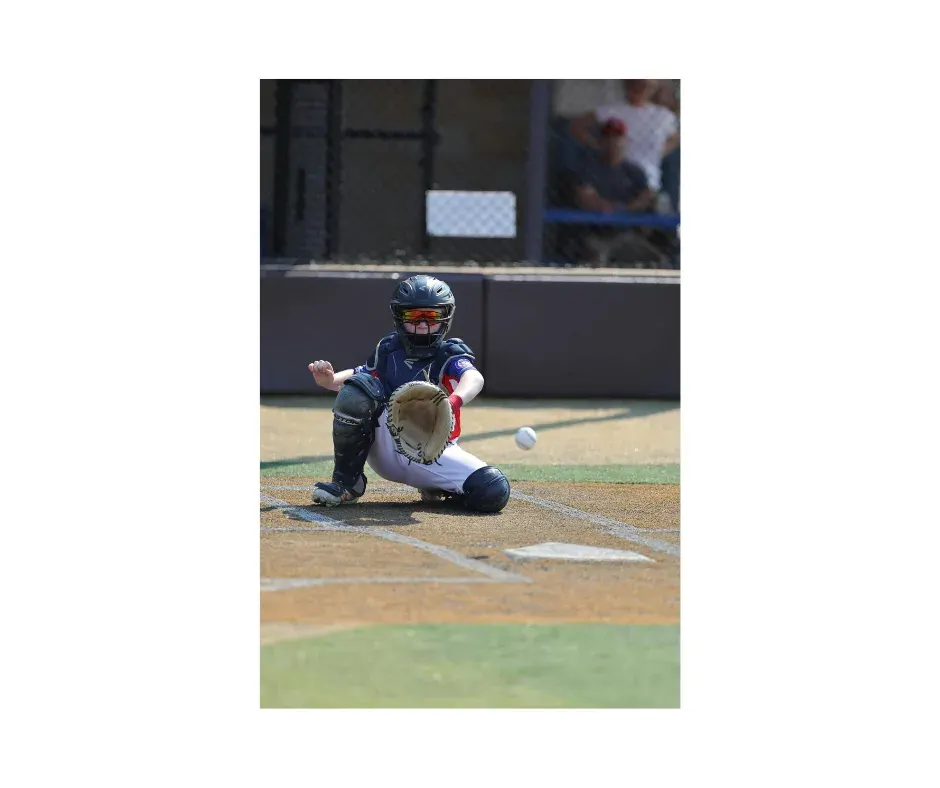
Shoulder barking after a weekend tournament? Velocity dipped and command feels off? If you care about baseball shoulder injury prevention and faster shoulder injury rehab, you're in the right place.
After 19+ years working in professional baseball, I've seen the same patterns on repeat: the player who pushes through early warning signs, the coach who misses mounting fatigue, the weekend warrior who throws max effort without preparation. These stories don't have to end with surgery or time away from the game you love.
Whether you're a 12-year-old just starting travel ball, a high school pitcher chasing a scholarship, or a 45-year-old in an adult league, you'll learn how to manage throwing volume, build a resilient shoulder, and where Muscle Activation Technique (MAT), the Neubie (Neufit Method), and our Shoulder Care program can fit into an approach designed to support injury prevention and rehab.
Why the Baseball Shoulder Is So Vulnerable (and Prone to Overuse)
Your shoulder is the most mobile joint in your body, and that's both a blessing and a curse. The same freedom that lets you whip a ball 90+ mph also means there's less inherent stability than, say, your hip or ankle.
During the throwing motion, your arm can internally rotate at speeds as high as 7,000 to 9,000 degrees per second (Seroyer et al., 2010). That's not a typo. Your rotator cuff, labrum, and surrounding structures absorb tremendous stress every single throw.
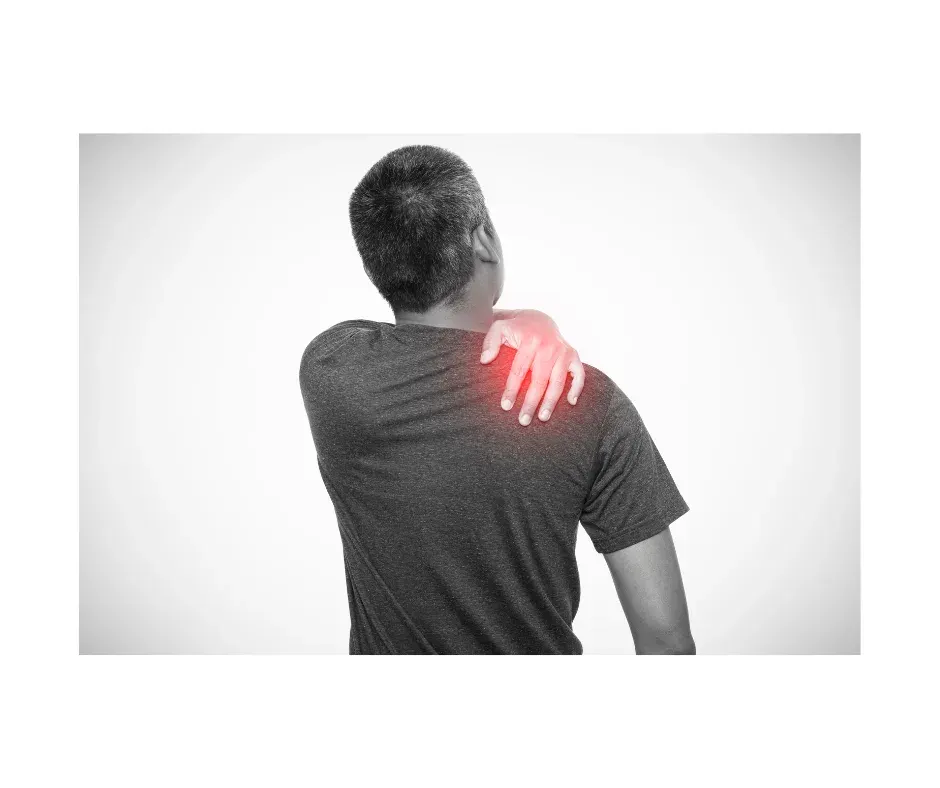
When everything works together, your hips, core, shoulder, and arm, forces distribute safely across the kinetic chain. But when one link breaks down? Your shoulder picks up the slack. And that's when problems start.
The Foundation: Managing Throwing Volume (Baseball Injury Prevention 101)
Before we talk about fancy exercises or cutting-edge technology, let's address the elephant in the room: most shoulder injuries are overuse injuries.
Here's what the research shows:
- Youth pitchers who pitched on consecutive days were about 2.5 times as likely to report arm pain (Yang et al., 2014)
- Pitchers on multiple teams with overlapping seasons also had higher odds of arm pain (Yang et al., 2014)
- Adolescent pitchers who regularly pitched with arm fatigue were 36 times as likely to end up needing shoulder or elbow surgery (Olsen et al., 2006, summarized in Fleisig & Andrews, 2012)
That last stat should stop you in your tracks.
Key Takeaway: Pain is information. It's your body telling you something isn't right. Listen to it.
Age-Appropriate Guidelines
Youth players (under 14): Follow Little League pitch count guidelines religiously. Master the fastball and change-up before even thinking about breaking balls. And please, no year-round baseball. Your arm needs rest.
High school players: Track your weekly pitch counts, not just game counts. Include bullpens, long toss, and warm-up throws in your calculations. Take at least four months off from competitive pitching each year, including 2-3 continuous months off from all overhead throwing (MLB Pitch Smart).
College and adult players: You should know your body well enough to recognize fatigue patterns. But don't let ego override common sense. That extra inning in a men's league game isn't worth three months of rehab.
Building a Bulletproof Shoulder for Baseball
Now let's talk about what you can actually do to protect your arm.
1. Rotator Cuff and Scapular Strength for Throwers
Your rotator cuff muscles are the stabilizers that keep your shoulder centered in the socket during explosive movements. Weak or imbalanced rotator cuff muscles force other structures to compensate: and compensation patterns are where injuries hide.
Daily exercises to consider:
- External and internal rotation with light resistance bands
- Scapular retractions and protractions
- Prone Y's, T's, and W's for posterior shoulder strength
These don't need to be intense workouts. Five to ten minutes daily beats one 45-minute session per week.
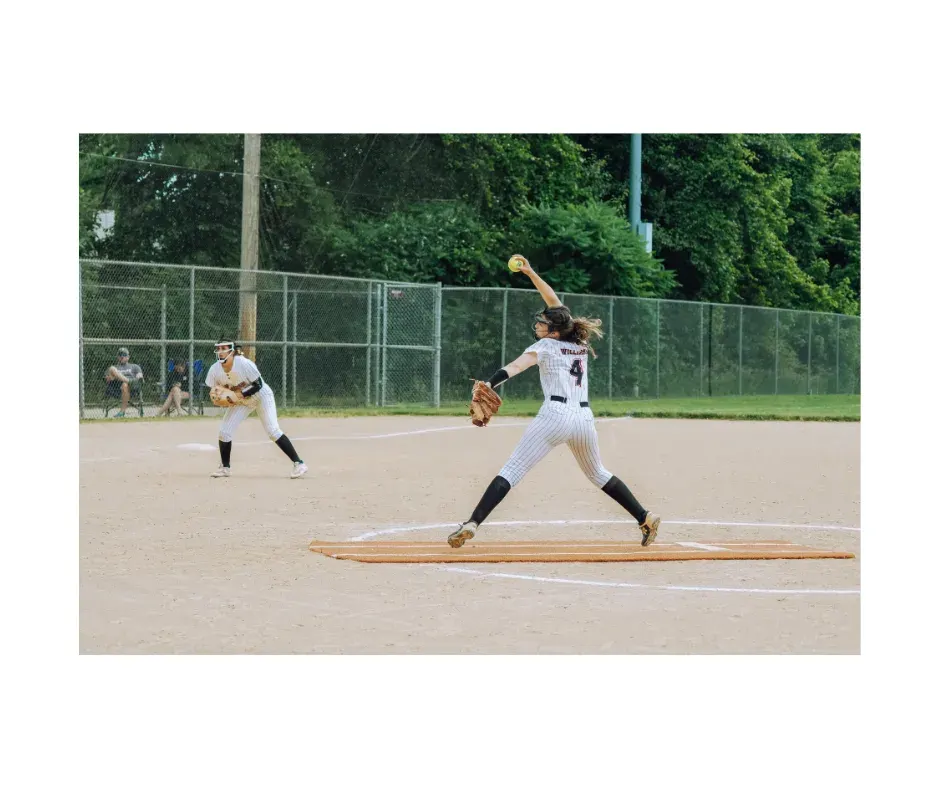
2. Hip and Core Integration for Safer Throwing Power
In my view, this is where most baseball players miss the boat entirely. Your arm is just the delivery system: your power comes from the ground up.
Weak hips and an unstable core force your shoulder to generate forces it was never designed to handle.
Focus on:
- Hip rotation drills 3-4 times per week
- Core stability exercises like bird-dogs and dead bugs
- Single-leg strength work (split squats, Romanian deadlifts)
When your lower half does its job, your shoulder can do less work and may stay healthier longer.
3. Mobility with Control: Activation First, Stretching When Needed
Here's a red flag I see constantly: you start to lose internal rotation as the season goes on. That tightening is real—but in my view, most of the time it's a control problem, not just a tissue problem. You're more likely to get better, longer-lasting range when you restore activation and coordination first.
Do this 5–8 minute routine pre-throw (and 5 minutes post-throw):
- Low-intensity isometrics for external and internal rotation at 0–30° abduction (3 x 15–20s each)
- Wall slides or scapular clocks with slow nasal breathing (2 x 6–8)
- End-range lift-offs for IR/ER at 90° abduction (3–5 reps, 5s holds)
- Thoracic rotation with reach (6–8/side) keeping your ribs stacked over your pelvis
Optional, short-term tool if true IR loss is measured: the sleeper stretch.
- Lie on your throwing side with your arm bent at 90 degrees
- Gently guide your forearm toward the ground without letting your shoulder blade tip forward
- Hold for 30 seconds, repeat 3 times
- Use for 2–3 weeks while you address activation; if symptoms increase, stop
In my view, mobility sticks when you reduce compensation and improve muscle activation—the heart of MAT.
Where MAT and the Neubie Fit In for Shoulder Injury Rehab
Here's where things get interesting. Traditional approaches to shoulder health focus on what you can see: strength, mobility, mechanics. But what about what you can't see?
Muscle Activation Technique (MAT) addresses the neurological side of the equation. When muscles aren't communicating properly with your brain, they can't fire when you need them to. Other muscles compensate. And over time, those compensation patterns create the conditions for injury.
I've worked with hundreds of baseball players over my career, and the pattern is remarkably consistent: address the muscle inhibitions first, and the "tight" muscles often release on their own.
The Neubie (Neufit Method) takes this a step further. Unlike traditional electrical stimulation that works against your nervous system, the Neubie works with it. We can identify exactly where your body is guarding or compensating, then work to re-educate those movement patterns at the neurological level.
Combined with our Shoulder Care program, we create a comprehensive approach that addresses:
- Muscle activation deficits
- Compensation patterns
- Tissue quality and recovery
- Progressive loading protocols
Warning Signs You Shouldn't Ignore (Shoulder Injury Rehab Red Flags)
Let me be direct: if you're experiencing any of these symptoms, it's time to get evaluated:
- Pain that persists more than 48 hours after throwing
- Decreased velocity without an obvious explanation
- Loss of command, especially high in the zone
- Pain during deceleration (the follow-through phase)
- Numbness or tingling in your fingers
- A feeling of "dead arm" that doesn't resolve with rest
Early intervention isn't just smart: it can be the difference between a few weeks of treatment and a year of surgical recovery.
The Long Game: Your Baseball Injury Prevention Checklist
Whether you're trying to extend a professional career, help your kid reach their potential, or just keep playing the game you love into your 50s and beyond, shoulder health comes down to a few key principles:
- Respect throwing volume and rest guidelines
- Build strength in the right places (rotator cuff, scapula, hips, core)
- Maintain mobility with daily flexibility work
- Address compensation patterns before they become injuries
- Listen to your body and respond to warning signs
You don't have to figure this out alone. If you're dealing with shoulder issues—or want to prevent them before they start—we'd love to help.
FAQs: Baseball Shoulder Injury Prevention and Rehab
-
What’s a safe pitch count by age?
- For youth under 14, follow age-based pitch-count and rest guidelines strictly (MLB Pitch Smart or your league's rules). Track all throws (games, bullpens, warm-ups, long toss), not just innings. Take at least four months off from throwing each year, with at least 2–3 of those months in a row (MLB Pitch Smart).
-
What is “dead arm,” and what should you do?
- Dead arm feels like sudden heaviness, loss of zip, or poor command without a clear injury. Stop throwing for 48 hours, address sleep/nutrition/hydration, and assess your throwing volume. If symptoms persist or return quickly, get evaluated—our Shoulder Care program plus MAT are designed to help identify what’s driving the fatigue.
-
Rotator cuff strain vs. labrum issue—how can you tell?
- Cuff problems often present with pain during elevation or external rotation and weakness with resisted testing. Labral issues can feel deeper, sometimes with clicking, catching, or instability—especially during deceleration. Only a qualified clinician can diagnose; use these as clues to seek timely evaluation.
-
How important is scapular control for throwers?
- Critical. Your scapula is the base for the rotator cuff. Poor upward rotation or control forces compensations down the chain. Include daily cuff/scap work and integrate the lower body so your shoulder doesn’t have to create all the power.
-
When should you stop throwing and see a specialist?
- If pain lasts more than 48 hours after throwing, pain spikes during deceleration, numbness/tingling appears, or velo/command drops without reason—shut it down and get assessed. Early action can shorten rehab timelines.
-
How is MAT different from traditional PT?
- MAT focuses on assessing and addressing muscle activation so the right muscles fire at the right time, aiming to reduce compensation and improve control and range. Traditional PT often emphasizes tissue healing, exercise progressions, and mechanics. They complement each other well.
-
What does the Neubie device do, and is it safe?
- The Neubie uses direct current to “speak” with your nervous system, helping identify protective patterns and re-educate movement. It’s used under professional guidance and is designed to support learning cleaner, more efficient shoulder mechanics.
Call or text (360) 836-0107 to set up a time. Serving Seattle, Bellevue, and the Eastside.
Your shoulder has a lot of throws left in it. Let's work on helping you use every one of them.
Individual results vary. This article is for educational purposes and is not medical advice. Talk with a qualified medical professional about your specific situation.