
Beyond Ibuprofen: The New Era of Athletic Recovery
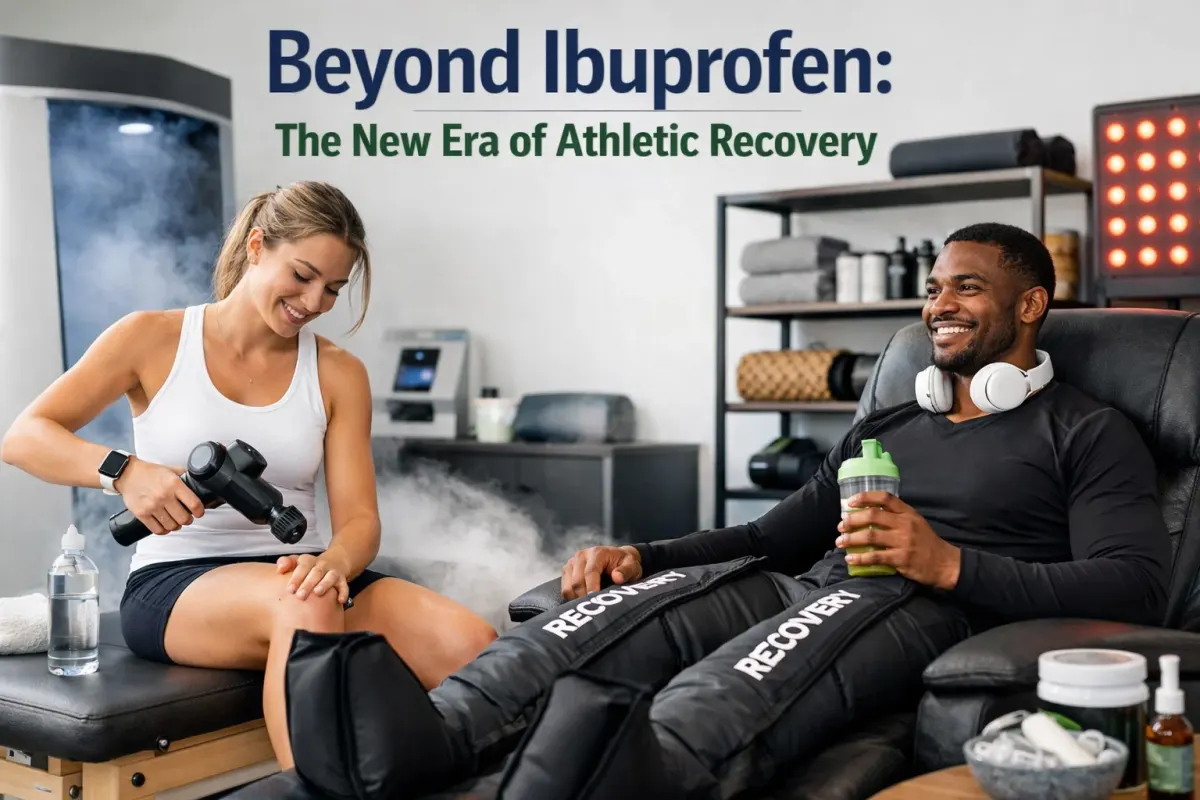
How many times have you reached for the orange bottle of Advil or Aleve after a tough game or a long workout? If you’re like most athletes, whether you’re a high school pitcher, a competitive CrossFit enthusiast, or a weekend warrior, that little pill feels like a necessity. It’s the "price of admission" for being active, right?
But here’s a question for you: Are you actually fixing the problem, or are you just turning off the smoke alarm while the fire is still burning?
In my 19 years of working with athletes at the highest levels, I’ve seen a massive shift in how we think about recovery. The old school taught us to "RICE" (Rest, Ice, Compress, Elevate) and pop anti-inflammatories. The new era, the one we live in now at Major League Activation LLC, is about moving away from masking symptoms and moving toward neurological efficiency and root-cause resolution.
It’s time to look beyond ibuprofen and step into the new era of athletic recovery.
The Problem with the "Masking" Culture
When you feel pain, your body is sending you a signal. It’s saying, "Hey, something isn't right here." When we take Non-Steroidal Anti-Inflammatory Drugs (NSAIDs) like ibuprofen, we are chemically silencing that signal.
While that might help you get through the next four hours, it creates a few major issues:
- It May Interfere With Healing: Believe it or not, inflammation is actually the first stage of healing. Your body sends blood and nutrients to the area to repair damaged tissue. Chronically suppressing that response may slow parts of tendon and muscle repair, though the clinical evidence in people is still mixed (Constantinescu et al., 2019).
- It Creates a False Sense of Security: If you can’t feel the pain, you might push yourself into a range of motion or a level of intensity that your body isn't actually ready to handle. This is exactly how "tweaks" turn into "tears."
- It Ignores the "Why": Why is your shoulder inflamed? Why is your lower back throbbing? Usually, it's not because of "overuse" alone; it's because your body is compensating for muscles that aren't firing correctly.
Compensation: The Silent Performance Killer
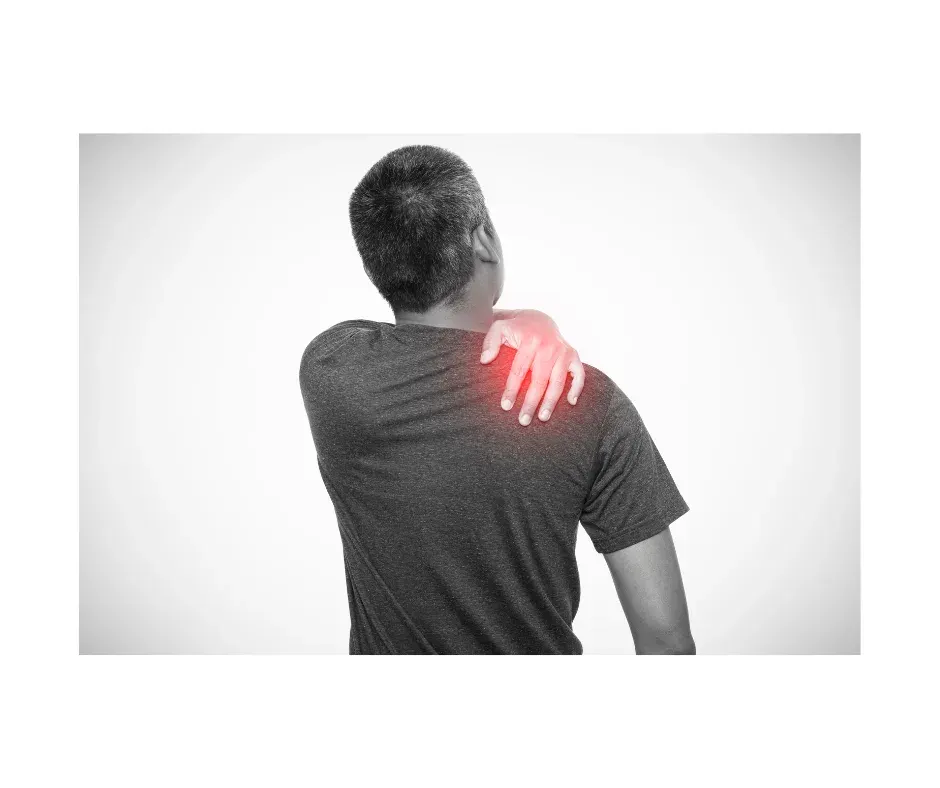
In my view, the most dangerous thing an athlete can do is ignore a compensation pattern. Your body is a master of survival. If your primary hip flexor isn't working right, your body doesn't just stop moving: it asks your lower back or your quads to do the extra work.
You might not feel this immediately. You might just feel a bit "tight" or "stiff." But over time, those secondary muscles get exhausted. They get inflamed. They get painful. If you just treat the pain with ibuprofen, you’re treating the victim (the overworked back) instead of the criminal (the inactive hip).
Key Takeaway: Pain is rarely the problem. Pain is the result of a problem occurring elsewhere in the neuromuscular chain.
Muscle Activation Technique (MAT): Finding the "Loose Wires"
This is where Muscle Activation Technique (MAT) comes in. At Major League Activation LLC, we don't look at you as a collection of parts; we look at you as a whole system.
MAT is a specialized process that allows us to assess how well your nervous system is communicating with your muscles. Think of your muscles like lightbulbs and your nerves like the wiring. If the wire is loose, the bulb won't shine bright: no matter how hard you try to "stretch" it or "strengthen" it.
In a typical session, we check your range of motion to see where your body is "protecting" itself. If you can't move into a certain position, it’s usually because your brain doesn't feel safe there. We then use specific manual techniques to "re-activate" those muscles.
Wait, is this just stretching? Absolutely not. In fact, if a muscle is weak or inactive, stretching it can actually make the problem worse by increasing the instability. MAT aims to improve function and reduce compensation. When the muscles fire correctly, your range of motion can improve naturally because your brain finally feels safe enough to let you move.
The Tech Edge: The Neubie
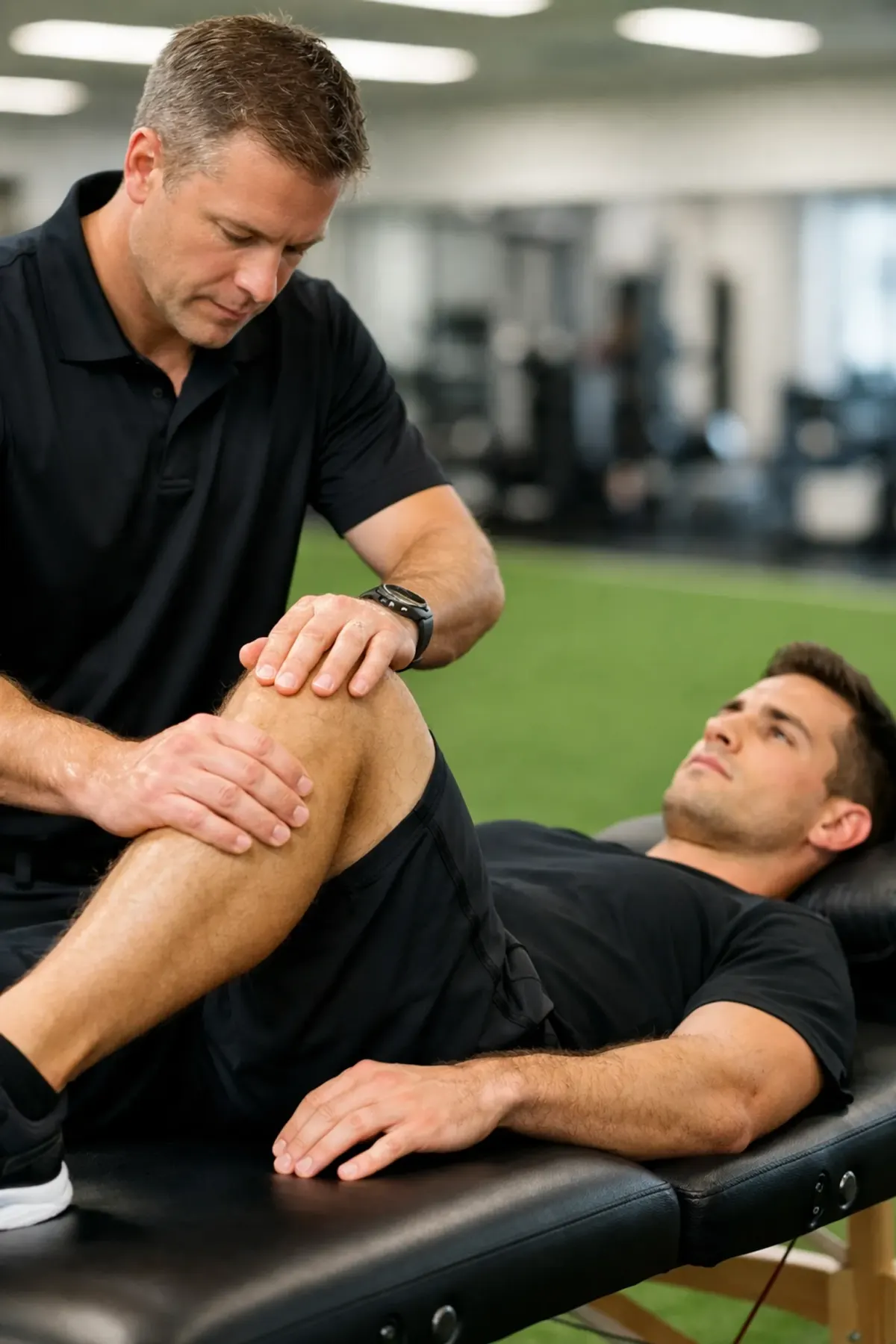
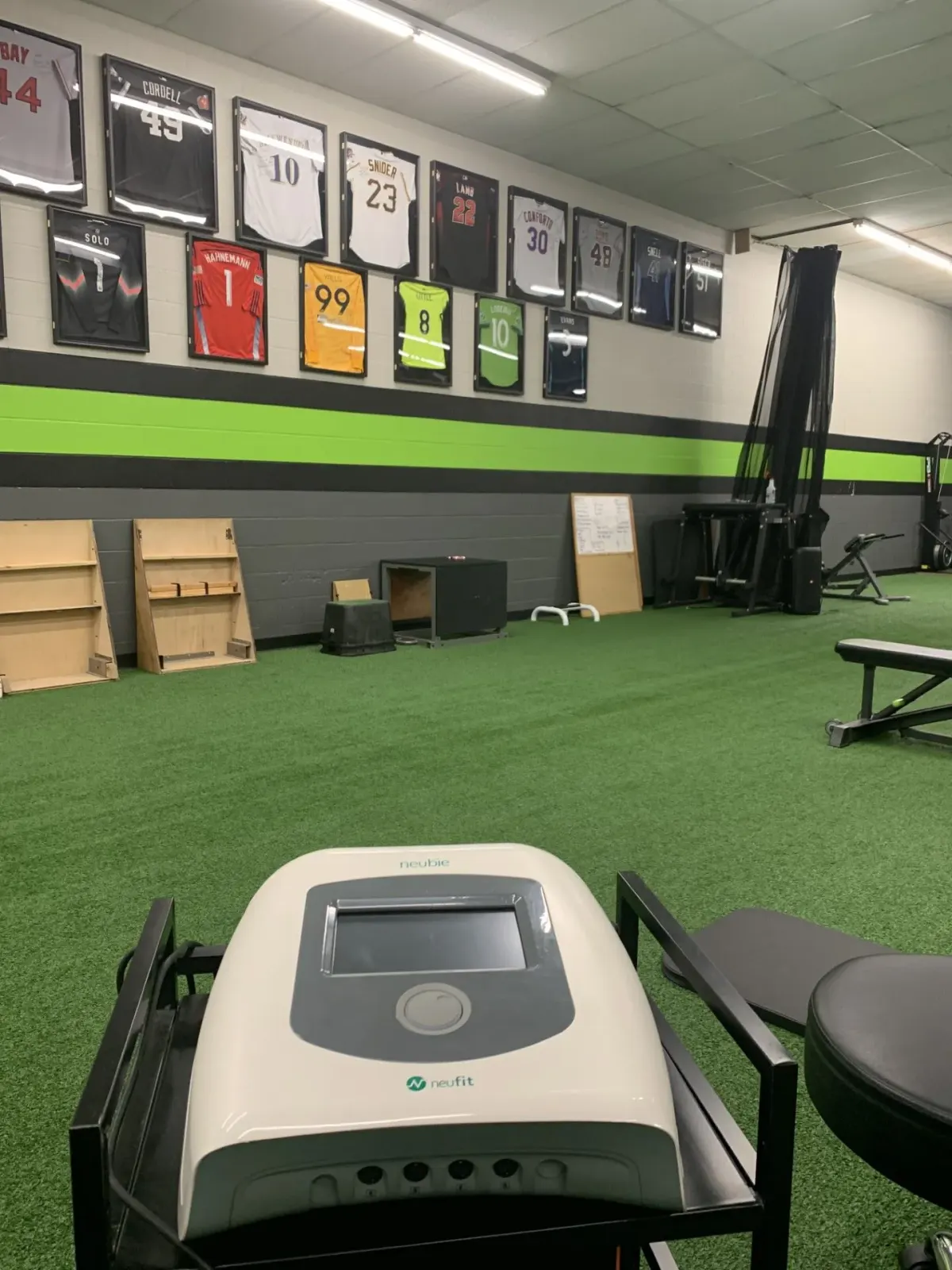
While MAT is the foundation of what we do, we also utilize the Neubie (Neuro-Bio-Electric Stimulator), which is designed to support recovery.
Most traditional e-stim machines (like a TENS unit) just mask pain by distracting the nerves. The Neubie is different. It uses a unique direct current (DC) that matches the way your body naturally sends signals.
When we use the Neubie, we aim to find where your neurological "disconnects" are. By sending signals to those areas, the goal is to:
- Reset the nervous system.
- Reduce the "protective" tension that causes stiffness.
- Support soft-tissue recovery.
It’s like a high-speed reboot for your body’s electrical system. Instead of waiting days for soreness to fade, many athletes notice changes in movement quality after a session.
Specialized Shoulder Care
For the baseball players and overhead athletes reading this, you know that recovery isn't just about feeling "good": it’s about maintaining the explosive power and stability required to throw.
Standard recovery often ignores the complexity of the shoulder joint. We focus on Shoulder Care that prioritizes the relationship between the scapula, the humerus, and the spine. If your serratus anterior isn't firing, your rotator cuff is going to take a beating. No amount of ibuprofen will fix a serratus that has "shut down" due to fatigue.
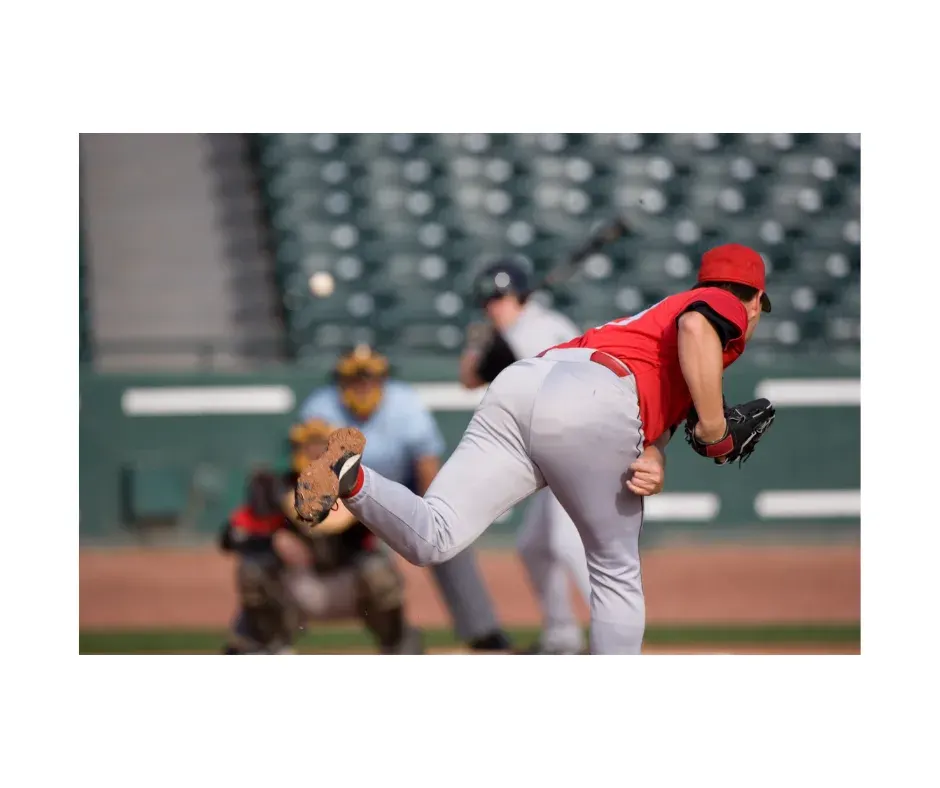
Our approach to Shoulder Care involves identifying these specific imbalances and addressing them early.
Digital Tools: The Diamond Arm Lab
I realize that not everyone can get into the facility every single day. This is why we developed The Diamond Arm Lab app.
Recovery needs to be a daily habit, not a once-a-week event. Through the app, I provide daily arm-health check-ins and activation protocols built on the same approach we use with our elite athletes. It gives you a roadmap to:
- Track your arm workload and readiness.
- Access specific activation routines that target your individual needs.
- Learn the "red flags" worth watching for.
In the new era of recovery, the most successful athletes are the ones who are proactive. They don't wait for pain to start; they manage their "activation" levels every single day.
What You Can Do in the Next 30 Seconds
If you’re feeling that familiar ache right now, don't reach for the pill bottle just yet. Try this:
- Assess Your Movement: Sit tall and slowly rotate your neck or shoulders. Do you feel a "catch" or a "pinch"? That’s a signal, not a nuisance.
- Breathe: Sometimes, just getting out of a "fight or flight" state can lower your perceived pain. Take five deep belly breaths.
- Think "Activation" Over "Numbing": Ask yourself, "What part of my body feels like it's doing too much work?"
Is It Time for a Reset?
The era of "toughing it out" with a handful of anti-inflammatories is over. If you want to play longer, throw harder, and wake up without feeling like you’ve been hit by a truck, you have to treat your body like the high-performance machine it is.
We’re here to help you look for the root cause and work on the compensations, without relying on chemical crutches. Whether it’s through MAT, the Neubie, or our specialized Shoulder Care protocols, we have the tools to help you level up.
Ready to stop masking the pain and start addressing the problem?
Call or text (360) 836-0107 to set up a time. Let’s get you activated.
Action Steps for This Week:
- Audit your "recovery" bag. If it's mostly ice packs and NSAIDs, it’s time to add movement-based tools.
- Check out The Diamond Arm Lab. Start tracking your metrics so you can see trends over time.
- Schedule a Movement Assessment. Stop guessing and start knowing exactly which muscles are showing up to work and which ones are taking a nap.
Recovery isn't about doing less; it's about being more efficient. Let’s get to work.
Individual results vary. This article is for educational purposes and is not medical advice. Talk with a qualified medical professional about your specific situation.