
Muscle Activation Technique 101: A Beginner’s Guide to Mastering Better Movement
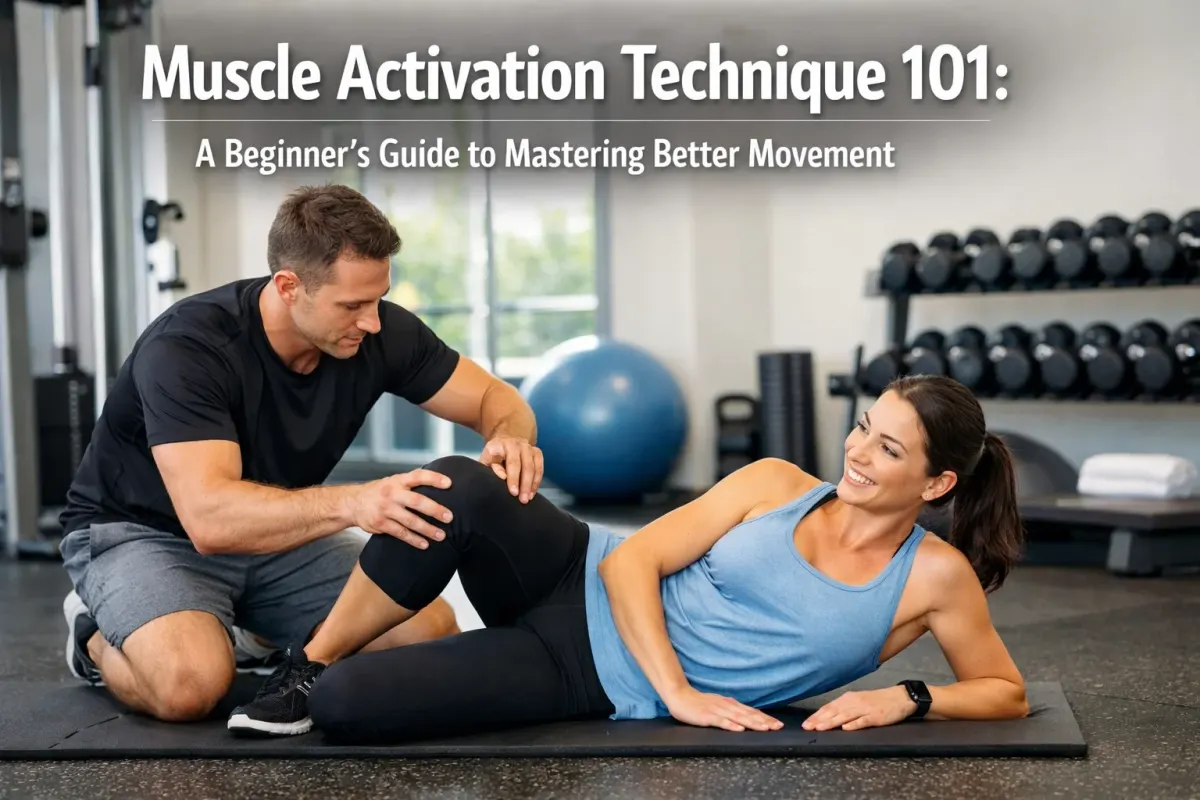
Have you ever spent twenty minutes aggressively foam rolling your hamstrings only for them to feel just as tight the next morning? Or maybe you’ve noticed that your shoulder "clicks" every time you reach for something on a high shelf, no matter how many stretches you do?
If you’re nodding your head, you’re not alone. Most of us have been taught that when a muscle feels tight, we should stretch it. But in my view, that’s often like trying to fix a blown fuse by pulling on the wires. The tightness you’re feeling isn’t usually the problem, it’s a symptom. Your body is smart; it creates tension to protect you because certain muscles aren't showing up for work.
This is where Muscle Activation Technique (MAT) comes into play. At Major League Activation LLC, we focus on flipping the switch back on so your body can work toward moving the way it was designed to.
What Exactly is Muscle Activation Technique?
Think of your body like a high-performance sports car. For the car to fly down the highway, the battery needs to send a clear electrical signal to the engine. If those cables are frayed or loose, it doesn’t matter how much gas you put in the tank, the car is going to sputter.
MAT is a non-invasive, neuromuscular process that identifies and addresses these "frayed cables." Instead of looking at why a muscle is tight, we look at why its counterpart is weak or inhibited. When a muscle isn't firing properly, the brain perceives a lack of stability. To keep you safe, the brain tells other muscles to tighten up to provide an artificial "parking brake."
Key Takeaway: Tightness is your body's way of creating stability where it currently lacks strength. MAT aims to reduce the need for that "parking brake" by addressing muscle function.
By focusing on the brain-muscle connection, MAT is designed to help your body move with more ease, strength, and coordination. It’s not about pushing through pain; it’s about restoring communication.
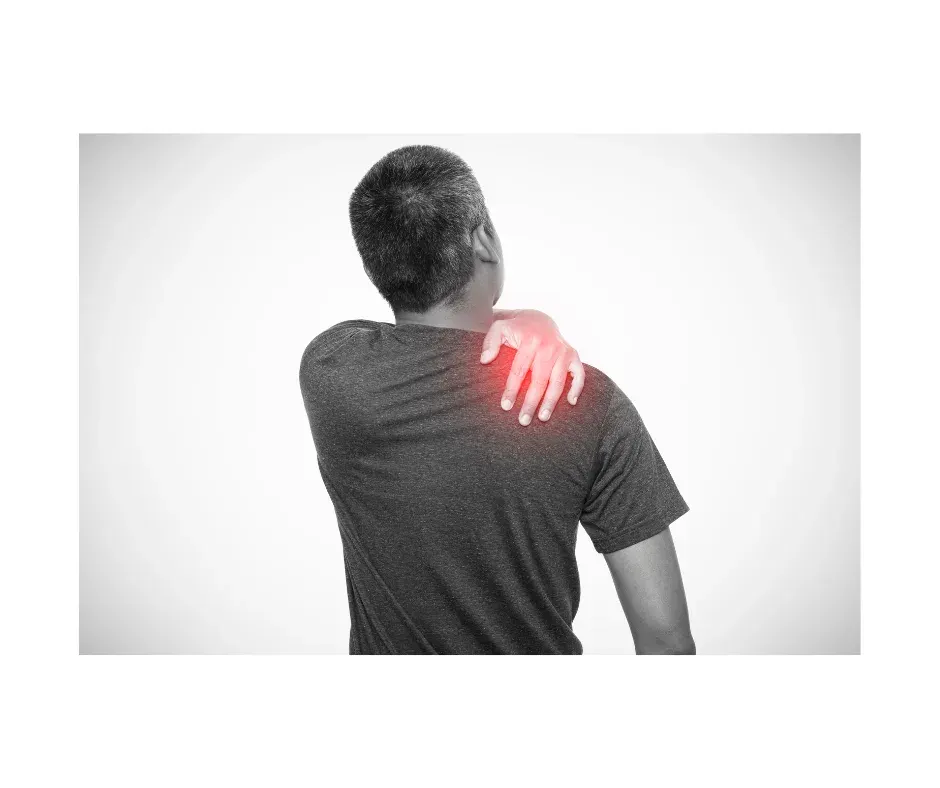
The MAT Assessment: What Happens in a Session?
If you’ve never had a session at Major League Activation LLC, the process might seem a little different than a traditional physical therapy or massage appointment. We aren't here to rub out knots; we’re here to solve the puzzle of your movement.
1. The Range of Motion (ROM) Assessment
We start by looking at how you move. I’ll check the range of motion in your joints, shoulders, hips, ankles, to see where things are getting hung up. A limitation in ROM is a huge "red flag" that says, "Hey, there’s a muscle here that can’t handle this position!"
2. Identification of the Weak Link
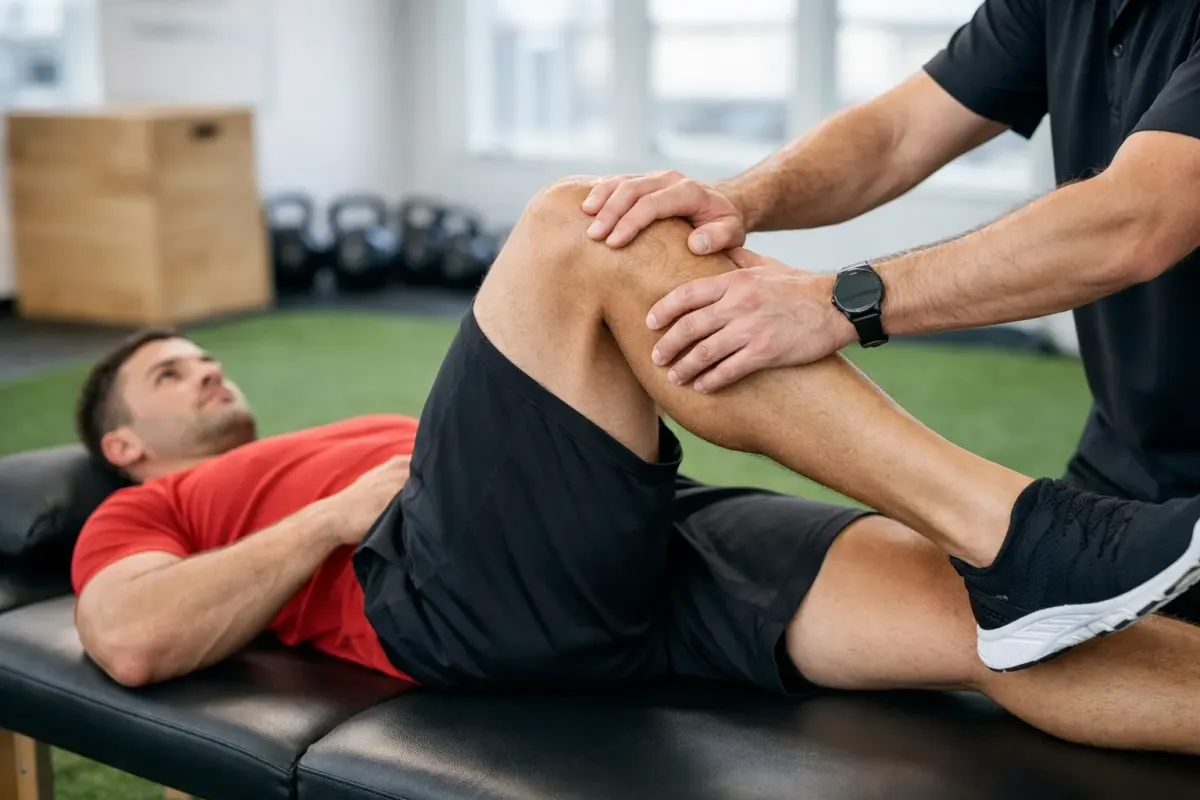
Once we find a limitation, we isolate the specific muscle responsible for that movement. We use a testing process called Active Muscle Contract & Sustain. I might ask you to hold your leg in a specific position for 30 seconds while I apply light pressure. If the muscle "gives" or feels shaky, we’ve found our culprit.
3. The Activation (The "Jumpstart")
Once we identify an inhibited muscle, we use strategic pressure (technically called DFAMAT) on the muscle attachment tissues. This stimulates the sensory receptors, telling the brain, "Hey, this muscle is here and ready to work!" It’s like tightening the battery cables on that sports car.
4. Reassessment
We don’t just take your word for it. After the activation, we retest the range of motion and the muscle strength. Many athletes notice a change in how far they can move without that "tight" feeling.
Why MAT is a Game Changer for Athletes
If you are an overhead athlete: a pitcher, a quarterback, or even a volleyball player: your career depends on your Shoulder Care.
In the world of high-velocity sports, your muscles have to fire in a very specific sequence. If one muscle in the rotator cuff is "off," the larger muscles (like your lats or pecs) have to overwork to compensate. This is a recipe for inflammation and, eventually, injury.
For our baseball players, we heavily integrate MAT with The Diamond Arm Lab. The app provides a framework for tracking your workload, and MAT provides a physical "tune-up" designed to support your body under the workload the app tracks. When you combine data-driven insights with neuromuscular activation, you’re training with a more complete picture.

Why We Don't Just "Stretch It Out"
One of the biggest misconceptions I hear is that MAT is just another form of stretching. Let me be clear: MAT is not stretching.
In fact, if you have an inhibited muscle, stretching the "tight" area can actually make things worse. Imagine a bridge held up by four cables. If two cables snap, the other two get incredibly tight to keep the bridge from falling into the water. If you go in and try to "stretch" those two remaining tight cables, what happens? The bridge collapses.
By using MAT to address the two snapped cables, the tight ones can relax because they no longer have to do all the work. We aim to improve your range of motion by enhancing muscle function, not by pulling on tissues that are already under stress.
Beginner-Friendly Activation Exercises You Can Try
While a full MAT session requires a certified practitioner, you can start incorporating basic activation movements into your daily routine to help maintain the brain-body connection. Here are a few favorites we recommend at Major League Activation LLC:
- Glute Bridges (Lower Body): Lay on your back, feet flat. Instead of just pushing up, focus on "feeling" your glutes squeeze before your hips leave the floor. Hold for 5 seconds and repeat 10 times.
- Plank Marches (Core/Upper Body): Get into a solid plank. Slowly lift one hand off the ground an inch, hold for 2 seconds, and switch. The goal isn't speed; it’s stability. If your hips rock, you've lost the activation.
- Slow Hurdle Steps (Hip Mobility): Stand tall and imagine stepping over a small hurdle with one leg. Move as slowly as possible. If you feel a "pinch," that’s your body telling you it’s compensating.
For those focusing specifically on Shoulder Care, consistency is key. Taking just 5–10 minutes a day to perform these controlled movements can help reduce the risk of compensation patterns setting in.
Advanced Tools: The Neubie
Sometimes, a muscle needs a bit more of a "loudspeaker" to hear the brain's signal. In these cases, we might incorporate the Neubie device.
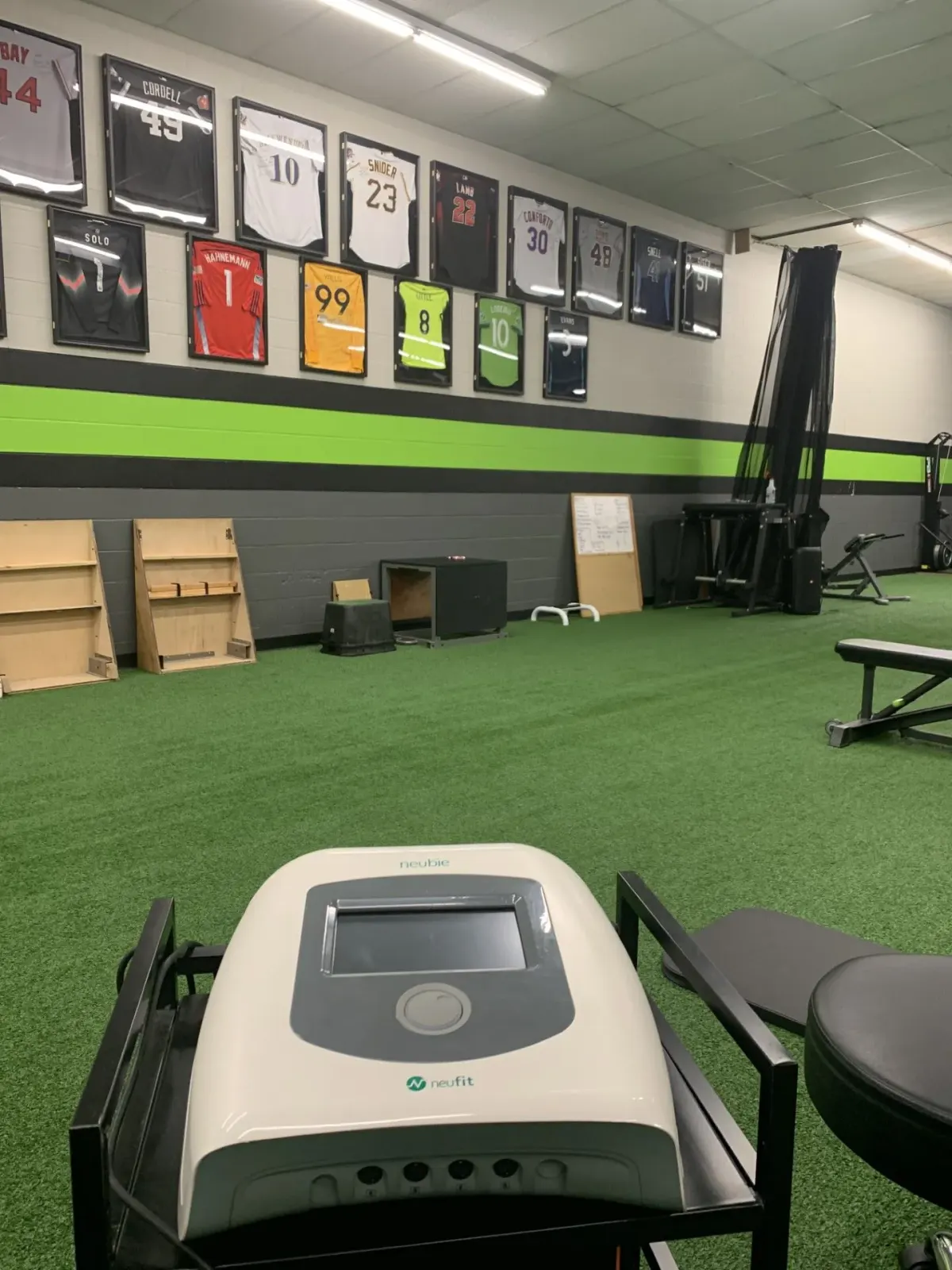
The Neubie is an electrical stimulation device that works with your nervous system rather than just shocking the muscle tissue. It helps us find exactly where the neurological disconnect is happening. When we pair the Neubie with MAT, the goal is to support the activation process. It’s a tool designed to support recovery.
Is MAT Right For You?
You don’t have to be a professional athlete to benefit from Muscle Activation Technique. In my view, if you have a nervous system and you move, you may benefit from it.
Watch out for these "Red Flags" in your own movement:
- One side of your body feels significantly "tighter" than the other.
- You have a chronic injury that keeps "flaring up" every time you get back into exercise.
- You feel "weak" in specific gym movements (like a squat or overhead press) despite training hard.
- Your range of motion decreases after a workout instead of feeling loose.
If any of that sounds familiar, it’s time to stop stretching the symptoms and start addressing the cause.
Take the Next Step
Mastering your movement doesn't happen overnight, but it can start with a single session. Whether you are looking to shave a few seconds off your sprint time, track your throwing workload with The Diamond Arm Lab, or just pick up your grandkids without your back screaming, we are here to help.
Don't let compensation patterns dictate your quality of life. Let's work on getting your muscles firing the way they were meant to.
Call or text (360) 836-0107 to set up a time.
We’ll take a look at your movement, look for those hidden weaknesses, and help you work toward performing like a pro. For more information on our specific programs, visit www.majorleagueactivation.com.
Individual results vary. This article is for educational purposes and is not medical advice. Talk with a qualified medical professional about your specific situation.