
The Baseball Player's Guide to Shoulder Injury Prevention in the Offseason
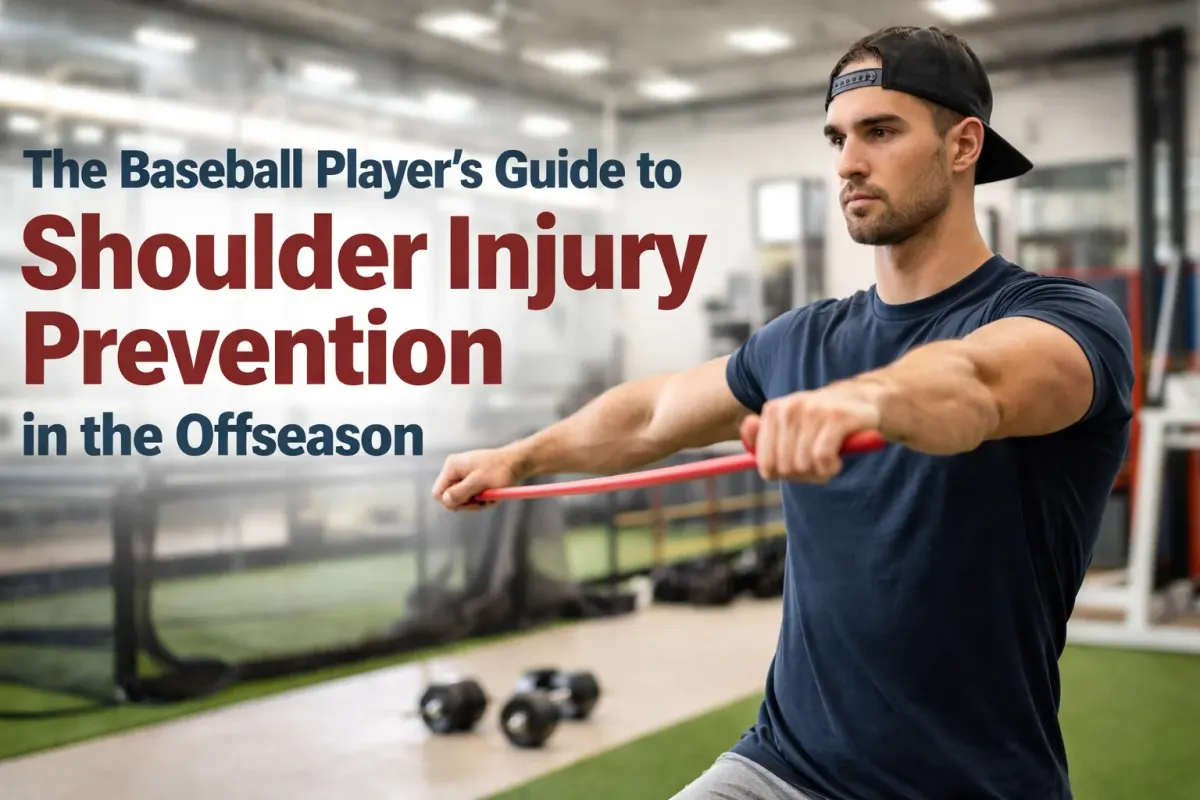
So the season's over. Maybe you're feeling relieved, maybe a little lost without the daily grind of practice and games. But here's the real question: what are you doing with your shoulder right now?
If your answer is "nothing" or "just resting it," we need to talk.
Look, I get it. After months of throwing, swinging, and pushing your body to the limit, the offseason feels like a well-deserved break. And it is. But here's what I've learned after 19+ years working in professional baseball: the offseason isn't when injuries happen: it's when you either prevent them or set yourself up for disaster come spring.
Whether you're a high school pitcher, a weekend softball warrior, or a middle-aged guy trying to keep up with the rec league, this guide is for you. Let's dive into how to actually protect that shoulder during the months when nobody's watching.
Why the Offseason Is Your Secret Weapon
Here's something that might surprise you: prevention is far more effective than managing injuries after they occur. Sounds obvious, right? But most players don't actually act on this.
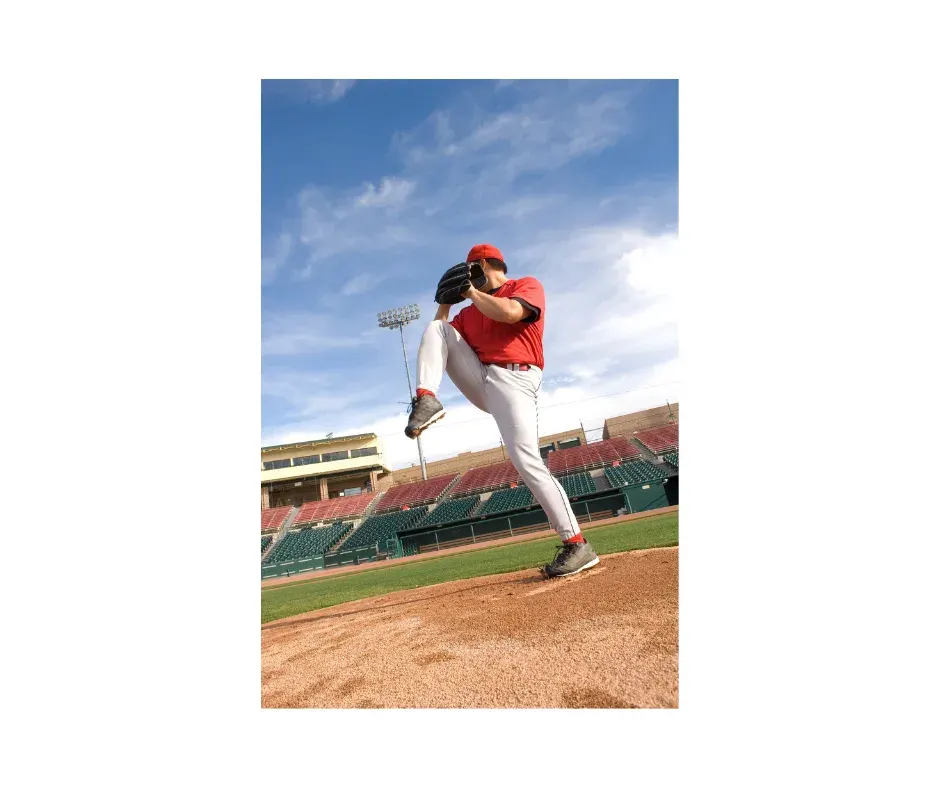
During the season, your body is in survival mode. You're throwing through fatigue, compensating for minor tweaks, and asking your shoulder to perform the same demanding movements over and over. That repetitive overhead throwing stresses your rotator cuff and can destabilize your entire shoulder joint over time.
The offseason? That's your window to actually fix things. To address the imbalances that built up. To get your muscles firing correctly again before you add high-intensity throwing back into the mix.
The players who dominate in March are the ones who did the work in December.
The Problem With "Just Resting"
I hear this all the time: "I'm just going to let my arm rest and it'll be fine."
Here's the thing: complete rest without any active recovery work can actually make things worse. Muscles that were already struggling to activate properly? They're not going to magically fix themselves while you binge Netflix for three months. In fact, they might get weaker and even less responsive.
And those compensation patterns you developed during the season? They're now your body's default setting. Without intervention, you'll pick up right where you left off: except now you're also deconditioned.
Rest is part of the equation, absolutely. But strategic, targeted work is what separates the players who stay healthy from the ones who end up on the IL before May.
Three Game-Changers for Your Offseason Shoulder Health
After working with athletes at every level, I've found three focus areas I come back to again and again during the offseason. Let me break them down for you.
Muscle Activation Technique (MAT)
This is where it all starts. Muscle Activation Technique isn't stretching, and it's not massage. It's a systematic approach to identifying which muscles aren't doing their job and getting them to fire correctly again.
Think about it this way: your shoulder doesn't work in isolation. It relies on a complex chain of muscles: from your rotator cuff to your scapular stabilizers to muscles you've probably never heard of. When one link in that chain isn't activating properly, the others have to pick up the slack. That's how compensation patterns develop, and that's how injuries happen.
MAT assesses these imbalances and aims to address them at the source. The goal? Improved range of motion, better muscle function, and a shoulder that's better prepared to handle the demands you're going to throw at it (pun intended).
In my view, an offseason MAT assessment is worth considering for throwing athletes. It's like getting a diagnostic on your car before a road trip: you want to know what needs attention before you're stranded on the highway.

Build Strength and Control (Not Just More Workouts)
Once you've improved muscle activation, the next step is building strength you can actually control through the ranges you use for throwing.
In my view, this is where a lot of offseason programs miss: you might get stronger, but if you can’t control your shoulder blade and ribcage while you move, your body will find a workaround (that’s compensation). And over time, those workarounds usually show up as cranky shoulders, irritated elbows, or a drop in performance.
Here’s what to prioritize:
- Rotator cuff strength that supports the shoulder joint (not just “band stuff” with sloppy form)
- Scapular control (your shoulder blade has to move well and anchor well)
- Thoracic mobility (mid-back movement so your shoulder doesn’t have to do everything)
- Progressive loading that ramps up week to week (instead of random intensity)
Goal: Train the shoulder to be stable and mobile, so you’re not borrowing motion from places that shouldn’t be moving.
Shoulder Care Program
Here's where we get specific to throwing athletes. Our Shoulder Care program is designed to address the unique demands that baseball and softball place on your shoulder.
This isn't a generic "do these rotator cuff exercises" handout. It's a comprehensive approach that considers:
- Your throwing mechanics and history
- Your specific muscle activation patterns
- The imbalances that developed during your season
- Your goals for the upcoming year
The program combines assessment, targeted interventions, and a progression designed to prepare your shoulder to handle increasing loads as you ramp back up for the season.
Additional Offseason Strategies That Actually Work
Beyond these three core tools, here are some strategies I recommend to every throwing athlete:
Cross-Train Smart
Playing different sports during the offseason gives your throwing arm a break while maintaining overall fitness. Soccer, basketball, swimming: anything that works different muscle groups while keeping you active. Just be smart about it and avoid activities that could put your shoulder at unnecessary risk.
Don't Neglect Your Scapular Stabilizers
Your shoulder blade muscles are often overlooked, but they're critical for injury prevention. The scapula maintains a stable shoulder girdle during throwing, and weakness here transfers excess stress directly to your shoulder and elbow. Exercises like wall angels and rows should be staples in your offseason routine.
Listen to Your Body (For Real This Time)
During the season, you probably pushed through some soreness and fatigue. The offseason is the time to actually respect those signals. If something feels off, address it now: not in February when you're trying to ramp up for spring training.
Red flag: If you're experiencing any lingering pain, weakness, or loss of range of motion from the season, don't wait. Get it assessed now while you have time to actually address it.
When Should You Start?
Here's my honest recommendation: start now.
I don't care if your season ended yesterday or three months ago. The sooner you begin addressing the imbalances and dysfunction that accumulated during the season, the more prepared you'll be when it's time to compete again.
A typical offseason plan might look like:
- Weeks 1-4: Assessment and addressing major dysfunction (MAT + targeted corrective work)
- Weeks 5-8: Building foundational strength and cleaner activation patterns
- Weeks 9-12: Progressive loading and sport-specific preparation
- Final weeks: Gradual return to throwing with a properly functioning shoulder
The players who follow this kind of structured approach tend to show up to spring training feeling strong, confident, and ready. The ones who don't? They're often playing catch-up while dealing with nagging issues that could have been prevented.
The Bottom Line
Your offseason shoulder work isn't sexy. Nobody's going to post highlight reels of your MAT sessions or your “boring basics” strength work. But this is the work that helps keep you on the field when it actually matters.
After 19+ years working with professional baseball players, I can tell you with confidence: the athletes who prioritize their shoulder health in the offseason tend to be the ones who have long, productive careers. The ones who don't are constantly fighting an uphill battle against their own bodies.
You've got a choice to make. Use this time wisely, or roll the dice and hope for the best.
If you're ready to take your offseason shoulder health seriously, I'd love to help you put together a plan. Whether you need a full assessment, want to see what MAT can uncover, or just want a smart offseason plan for injury prevention: reach out.
Call or text (360) 836-0107 to set up a time.
Your future self (the one dominating on the mound or making throws from deep in the hole) will thank you.
Individual results vary. This article is for educational purposes and is not medical advice. Talk with a qualified medical professional about your specific situation.