
The Hidden Load: Why Tournament Ball is Risky Without a Tracking Plan

Let me paint a picture you probably know all too well.
It's a hot July weekend. Your 14-year-old is playing in a tournament with his travel team. He threw 65 pitches on Saturday, then came back Sunday and threw another 40 in relief. No big deal, right? Except… he also threw 50 pitches at a showcase on Thursday. And his high school summer league had him pitch Tuesday night.
Do you know the total? Does his travel coach? Does anyone?
This is what I call the hidden load: and it's one of the biggest threats to young arms in baseball today.
The Tournament Ball Reality
Tournament baseball has exploded over the last two decades. What used to be a summer activity has become a year-round grind. Kids are playing on multiple teams, attending showcases, and racking up innings that would make a minor leaguer wince.
Here's the thing: I'm not anti-tournament ball. Competition is good. Development is good. Exposure to college coaches and scouts? That's part of the game now.
But here's where it gets dangerous: nobody is connecting the dots.
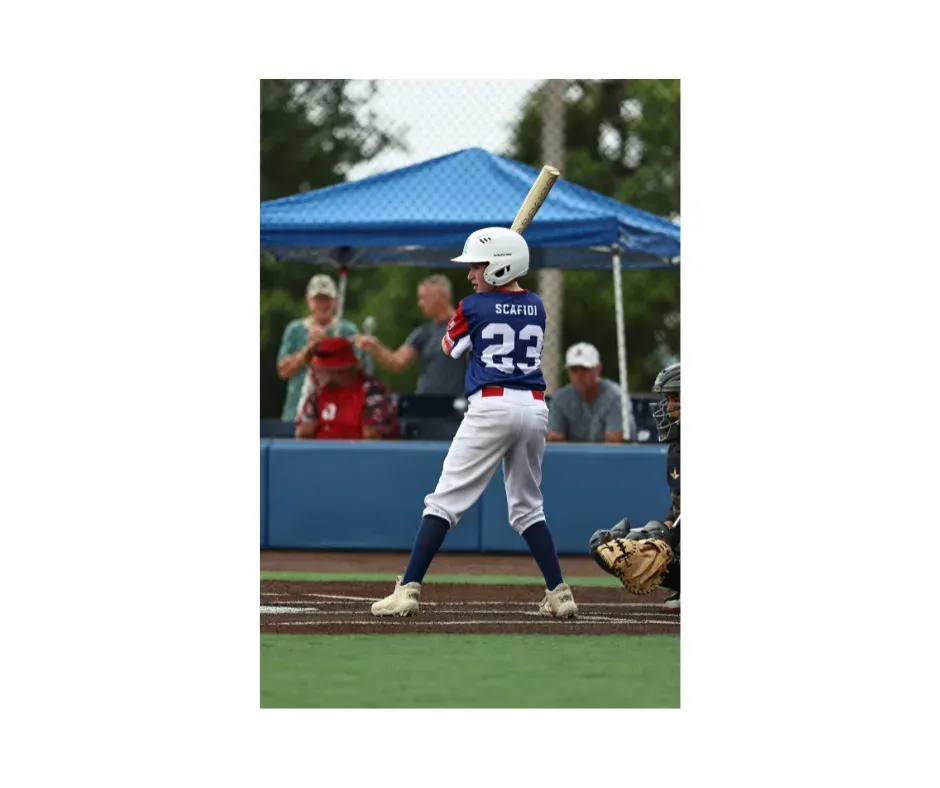
Travel coach A doesn't know what high school coach B had your kid do. The showcase coordinator has no idea he pitched the day before. And you: the parent trying to keep it all straight: are stuck with a notebook, a phone full of notes, and a growing sense of anxiety.
Sound familiar?
What Exactly is "Hidden Load"?
Hidden load refers to the cumulative stress placed on a young athlete's body that goes untracked, unmonitored, and ultimately unmanaged. It's not just about pitch counts (though those matter). It's about:
- Total throws (including warmups, long toss, and bullpen sessions)
- Intensity of those throws (a max-effort showcase pitch isn't the same as a casual catch)
- Rest days between outings
- Cumulative weekly and monthly volume
- The type of pitches thrown (breaking balls put different stress on the arm than fastballs)
When you're only tracking game pitches: or worse, not tracking at all: you're missing huge pieces of the puzzle. That's the hidden load. And it adds up fast.
Why Parents and Coaches Struggle to Track
In my view, the problem isn't that people don't care. Parents absolutely care. Most coaches care too. The problem is the system is broken.
Consider this scenario:
- Your son plays for his high school JV team
- He's also on a travel ball team
- He attends a pitching lesson once a week
- There's a showcase next month he's preparing for
That's four different "teams" or situations, each with their own agenda. None of them are talking to each other. None of them have visibility into what the others are doing.
So what happens? Everyone assumes someone else is tracking. Everyone assumes the kid is getting enough rest. And before you know it, you're sitting in an orthopedic surgeon's office hearing words like "UCL tear" and "Tommy John."
The harsh reality: Tommy John surgery is most common in 15- to 19-year-olds, and rates in that age group have been climbing (Erickson et al., 2015). Overuse and pitching while fatigued are among the strongest risk factors (Olsen et al., 2006), and workload spread across multiple teams is easy to lose track of.
The Real Risks of Flying Blind
Let me be direct with you: baseball injury prevention starts with awareness. You can't prevent what you can't see.
When workload goes untracked, here's what's at stake:
Overuse Injuries
The most obvious risk. Tendons, ligaments, and muscles need time to recover. Without tracking, you have no idea if your athlete is getting adequate rest between high-stress activities.
Compensation Patterns
When a young arm gets fatigued, the body starts compensating. Maybe the shoulder drops. Maybe the elbow leads. These compensation patterns become habits: and habits become injury risks. This is exactly why I use Muscle Activation Technique (MAT) with my athletes. MAT helps identify where muscles aren't firing correctly, which often happens when fatigue and overuse set in.
Lost Development Time
Here's one people don't talk about enough: an injury doesn't just hurt in the moment. It derails development. A 15-year-old who needs surgery can lose a long stretch of critical development time. That's time he can't get back.
Mental Burnout
Physical load isn't the only concern. The mental grind of constant competition without adequate recovery leads to burnout. I've seen talented kids walk away from the game they love because nobody managed the big picture.
Why You Need a Central Source of Truth
Here's what I tell every parent who walks through my door: you need one place where everything lives.
Not a notebook for travel ball and a different app for high school and a text thread with the pitching coach. One central location where:
- Every throw is logged
- Rest days are tracked automatically
- Warning flags pop up when volume gets too high
- All the adults in your athlete's life can see the same information
Think about it like this: if your kid had a medical condition, you'd want every doctor on the same page, right? You'd want one medical record that everyone could access. Baseball workload should work the same way.
What Good Tracking Looks Like
A solid tracking system should include:
- Daily throw counts (not just game pitches)
- Intensity ratings for each session
- Automatic rest day calculations based on pitch counts
- Weekly and monthly rolling totals
- Easy sharing between coaches, parents, and trainers
- Historical data so you can spot trends over time
When you have this kind of visibility, conversations change. Instead of guessing, you can say: "Hey coach, he's already at 150 throws this week. Can we hold him back today?" That's not being overprotective: that's smart sports performance training.
Combining Tracking with Proper Recovery
Tracking is step one. But it's not the whole picture.
Even with perfect workload management, young athletes need proactive recovery and maintenance. That's one place services like Muscle Activation Technique can fit in. MAT isn't about stretching or massage: it's about assessing which muscles aren't activating properly and addressing those imbalances early.
When I work with youth baseball players, I'm looking for the compensation patterns that develop from repeated throwing. A proper assessment can catch problems early: before they show up as pain.
The combination of smart tracking AND proper muscle function? That's the sweet spot for supporting healthy young arms.
Taking Action Today
You don't have to wait for the perfect app or system to start making changes. Here's what you can do right now:
- Start a simple log. Even a shared Google Sheet is better than nothing.
- Communicate with all coaches. Make sure everyone knows what your athlete did in the last 7 days.
- Build in mandatory rest. At minimum, follow pitch count guidelines from organizations like MLB and USA Baseball.
- Get a baseline assessment. Know where your athlete's body is at before problems start.
If you're in the Seattle area and want to get your young athlete assessed, Call or text (360) 836-0107 to set up a time. We'll look at how their body is functioning and build a plan designed to support them through the grind.
Frequently Asked Questions
How many pitches per week is safe for a youth baseball player?
It varies by age. MLB Pitch Smart sets daily (per-game) maximums ranging from 75 pitches for ages 9-10 up to 105 pitches for ages 17-18, with required rest days based on how many pitches were thrown (MLB Pitch Smart). However, total weekly volume: including practice throws: should also be monitored.
What counts as a "throw" when tracking workload?
Everything counts. Game pitches, bullpen sessions, long toss, warmup throws, and even throws during fielding practice all contribute to total arm stress.
Can Muscle Activation Technique help prevent baseball injuries?
MAT is designed to identify muscles that aren't activating properly, which can lead to compensation patterns and increased injury risk. By addressing these imbalances, it aims to support better mechanics and less strain on vulnerable areas like the shoulder and elbow.
How do I get all my son's coaches on the same page?
Start by establishing yourself as the central point of communication. Share a simple tracking document with all coaches and ask them to update it after each session. Most coaches will appreciate the proactive approach.
What are the warning signs of overuse in a young pitcher?
Watch for decreased velocity, complaints of arm fatigue or soreness, changes in mechanics, reluctance to throw, and any persistent pain. If you notice these signs, rest and professional evaluation are essential.
Serving youth athletes and families in Seattle / Bellevue / Eastside
Diamond Arm Lab was designed for exactly this scenario — multi-team, multi-event workload tracking in one dashboard. Seven-day free trial at diamondarmlab.com.
Individual results vary. This article is for educational purposes and is not medical advice. Talk with a qualified medical professional about your specific situation.