
The Ice Myth: Why Your Post-Game Bag of Ice Might Be Doing More Harm Than Good
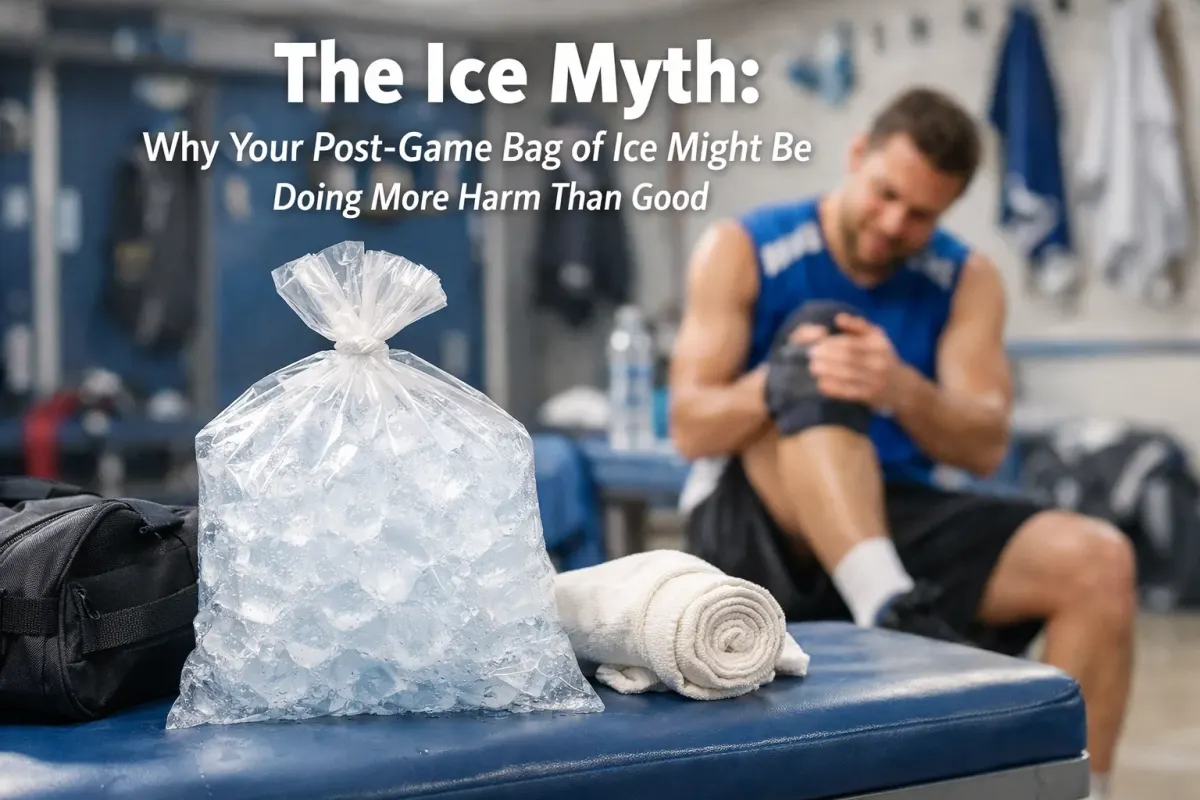
You just finished a tough game. Your shoulder's a little sore, your arm feels tight, and the first thing you do is grab a bag of ice. It's what everyone does, right? It's what you've always done.
Here's the problem: that post-game ice ritual you've been doing since Little League might actually be slowing down your recovery.
I know, I know, this goes against everything you've heard. But stick with me, because the science on icing has evolved, and what we know now is pretty different from the "ice everything, always" mentality that dominated sports medicine for decades.
The Old-School Thinking: Ice = Recovery
For years, the standard recovery protocol was RICE: Rest, Ice, Compression, Elevation. Got sore? Ice it. Threw 80 pitches? Ice that shoulder. Felt any kind of discomfort? You guessed it, more ice.
The logic made sense at the time: reduce inflammation, numb the pain, decrease swelling. Problem solved, right?
Not quite.
What the Research Actually Shows
Here's where things get interesting. Animal studies have found that icing right after a muscle injury can actually delay muscle regeneration. In one rat study, 28 days after injury the muscle fibers in the iced group were noticeably smaller than in the non-iced group, and the iced muscles showed more collagen (scar-type tissue) (Takagi et al., 2011). A later mouse study found icing disrupted the macrophage response that clears damaged tissue (Kawashima et al., 2021). These are animal findings, but they've changed how many clinicians think about routine icing.
Why does this happen? When you ice, you're doing a few things:
You're disrupting the body's natural healing response. Your body sends macrophages (specialized repair cells) to damaged tissue to clean up debris and kickstart the healing process. Ice interferes with this critical step.
You're limiting blood flow. Blood carries oxygen, nutrients, and those repair cells your muscles desperately need after a hard workout or game. Restricting that flow means slower recovery.
You're potentially creating weaker tissue. When the regeneration process gets disrupted, you can end up with tissue that's more prone to re-injury down the line.
So When Should You Ice?
Before you throw out every ice pack in your freezer, let's be clear: ice isn't always bad. There are specific situations where it's genuinely helpful:
- Acute contusions or bruises where limiting immediate blood flow actually helps
- The first hours after a traumatic injury (we're talking acute trauma, not routine soreness)
- Severe swelling that needs immediate management
- Pain relief when you need to function in the short term
The key? 10-20 minute intervals, max. Let the tissue fully rewarm between sessions. (In one ankle-sprain trial, short on-off icing eased pain with activity better than a single 20-minute session: Bleakley et al., 2006.) And definitely don't make it your go-to recovery method after every single workout or game.
What You Should Do Instead: Movement and Activation
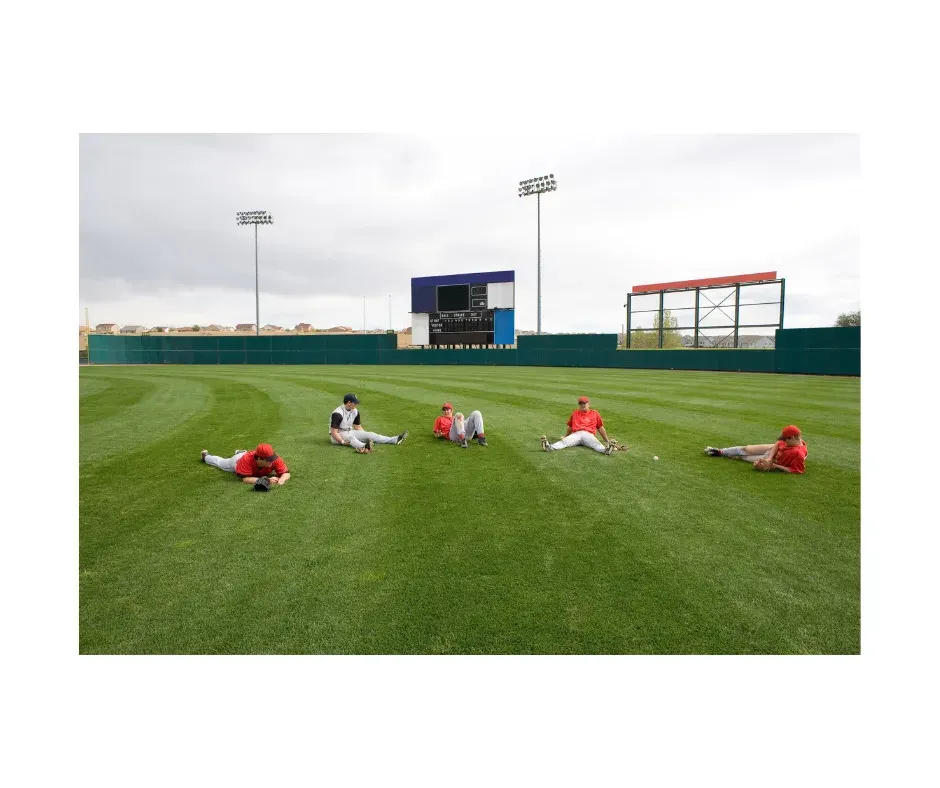
Here's the better approach for post-game recovery: movement wins over ice almost every time.
Your body recovers faster when you give it what it actually needs, blood flow, proper muscle activation, and restored range of motion. Not numbing and restriction.
The Movement-First Recovery Protocol
Immediately post-game (within 30 minutes):
- Light movement to maintain blood flow
- Gentle range-of-motion exercises
- Focus on restoring normal activation patterns
Within 2-4 hours:
- More intentional mobility work
- Address any compensation patterns that developed during the game
- Work on areas that feel "tight" or "off"
Next-day recovery:
- Continue emphasizing movement quality
- Identify and correct any muscle imbalances
- Build back strength in proper patterns
This approach, prioritizing athletic recovery methods that enhance rather than inhibit your body's natural healing, is designed to support getting you back on the field.
Why Muscle Activation Matters More Than You Think
Here's something most athletes don't realize: that post-game tightness you feel? It's often not about the muscle being "overworked." It's about improper activation creating compensation patterns that leave you feeling locked up.
When your body can't recruit certain muscles properly during activity, other muscles have to pick up the slack. By the end of the game, you're tight, sore, and feeling like you need ice. But what you actually need is to restore proper muscle function so your body stops compensating.
That's where techniques like Muscle Activation Technique (MAT) come in. Instead of just numbing the discomfort with ice, MAT identifies which muscles aren't activating correctly and aims to restore their function. The goal? Better range of motion, less compensation, and faster recovery, without delaying your body's natural healing process.

Real Recovery: What It Looks Like in Practice
Let's say you're a pitcher who just threw 70 pitches. Your shoulder feels tight, your forearm is fatigued, and you're tempted to reach for that ice bag.
Instead, try this:
- Light throwing recovery work (yes, more throwing: but controlled, intentional tosses that restore proper patterns)
- Range-of-motion exercises that gently take your shoulder through its full movement
- Activation work targeting areas that shut down during your outing
- Proper hydration and nutrition to support tissue repair
The next day, work with someone who understands movement quality and can identify compensation patterns. Addressing those issues can help improve range of motion while supporting recovery: not delaying it.
The Diamond Arm Lab Advantage
If you want to take your recovery to the next level, check out The Diamond Arm Lab app. It gives you structured throwing programs and recovery protocols designed around movement quality: not outdated ice-and-rest mentality. You get specific guidance on what to do post-game, how to progress your arm back to full capacity, and how to build resilience over time.
The app focuses on what actually works: intentional movement, proper activation, and smart progression. No gimmicks, just evidence-based athletic recovery methods designed to support recovery and performance.
Breaking the Ice Habit
Look, I get it. Icing feels like you're doing something. It's comforting. It's what everyone else does.
But if your goal is to recover faster, reduce re-injury risk, and improve your performance over time, it's time to rethink that post-game routine.
Movement beats ice. Activation beats numbing. Addressing the root cause beats masking symptoms.
Your body already knows how to heal itself: you just need to give it the right environment and the right input. That means prioritizing blood flow, proper muscle function, and movement quality over bags of frozen water that might be doing more harm than good.
Ready to Upgrade Your Recovery?
If you're tired of the same old recovery routine and want to actually address what's keeping you tight, sore, or stuck, let's talk. We specialize in helping athletes move better, recover faster, and stay on the field longer: using techniques that work with your body, not against it.
Call or text (360) 836-0107 to set up a time. We'll assess how your body's actually functioning, identify what's creating those compensation patterns, and build a recovery plan around your goals: no ice required.
Individual results vary. This article is for educational purposes and is not medical advice. Talk with a qualified medical professional about your specific situation.