
The Neubie Difference: Why “Old School” Rehab Might Be Stalling Your Progress
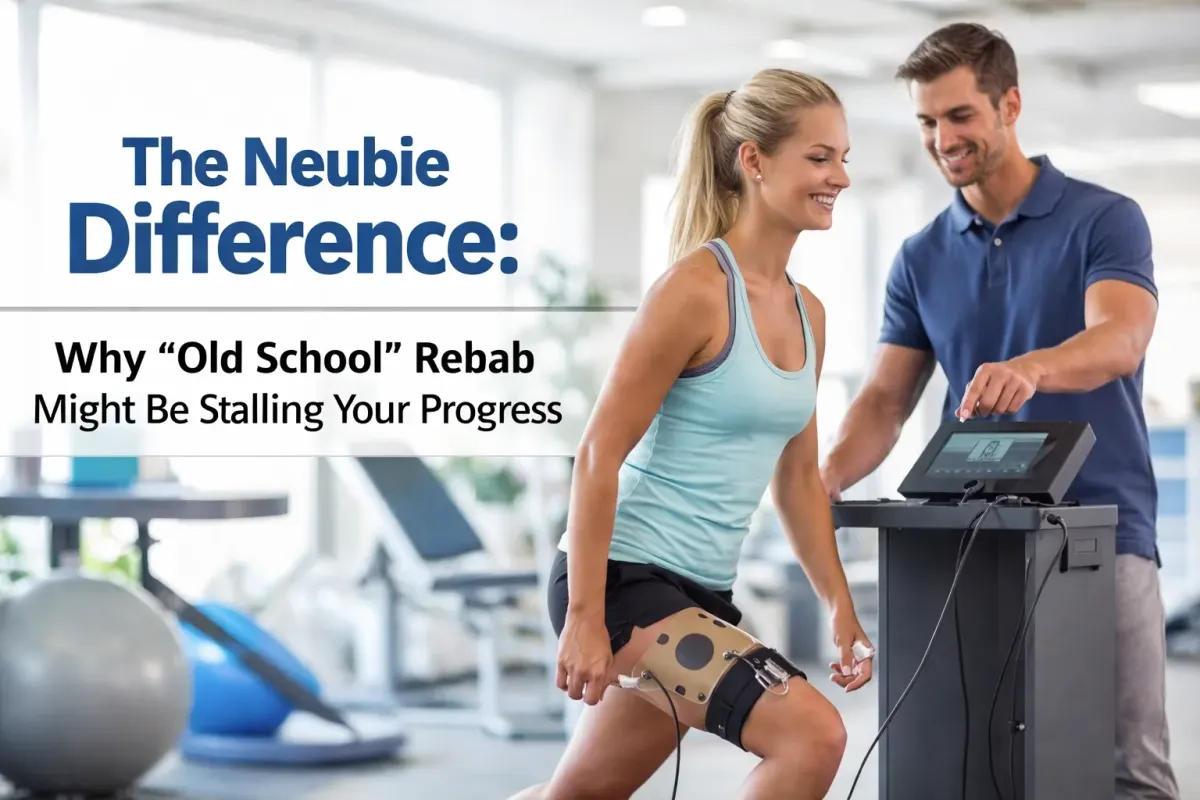
Have you been grinding through physical therapy for weeks: maybe even months: and still feel like you're spinning your wheels? You show up, do the exercises, ice it down, and repeat… but that nagging tightness or weakness just won't budge?
You're not alone. And here's the thing: it might not be your fault. Traditional rehab methods focus heavily on the muscles themselves, but they often overlook the real control center: your nervous system.
That's where newer athletic recovery methods like the Neubie device come in. Let me break down how this approach works.
The Problem With "Old School" Rehab
Traditional physical therapy has helped millions of people recover from injuries. I'm not here to trash it. But let's be honest about its limitations.
Most conventional rehab focuses on:
- Stretching tight muscles
- Strengthening weak muscles
- Reducing inflammation
- Managing pain symptoms
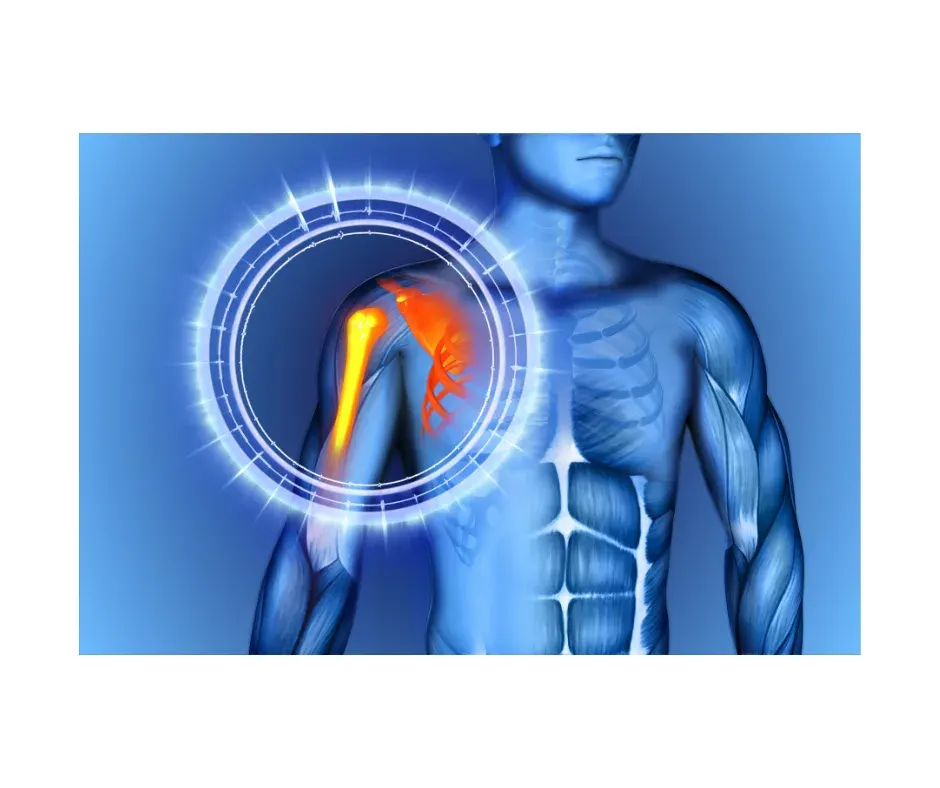
These are all important. But here's what often gets missed: your muscles don't act on their own. They take orders from your nervous system. If your brain is sending faulty signals: or worse, protective signals that limit your range of motion: no amount of stretching or strengthening is going to fix that underlying issue.
In my view, this is why so many people hit frustrating plateaus. They're treating the symptom (tight hamstrings, weak glutes, limited shoulder mobility) without addressing the neurological pattern that's causing it in the first place.
What Is the Neubie Device?
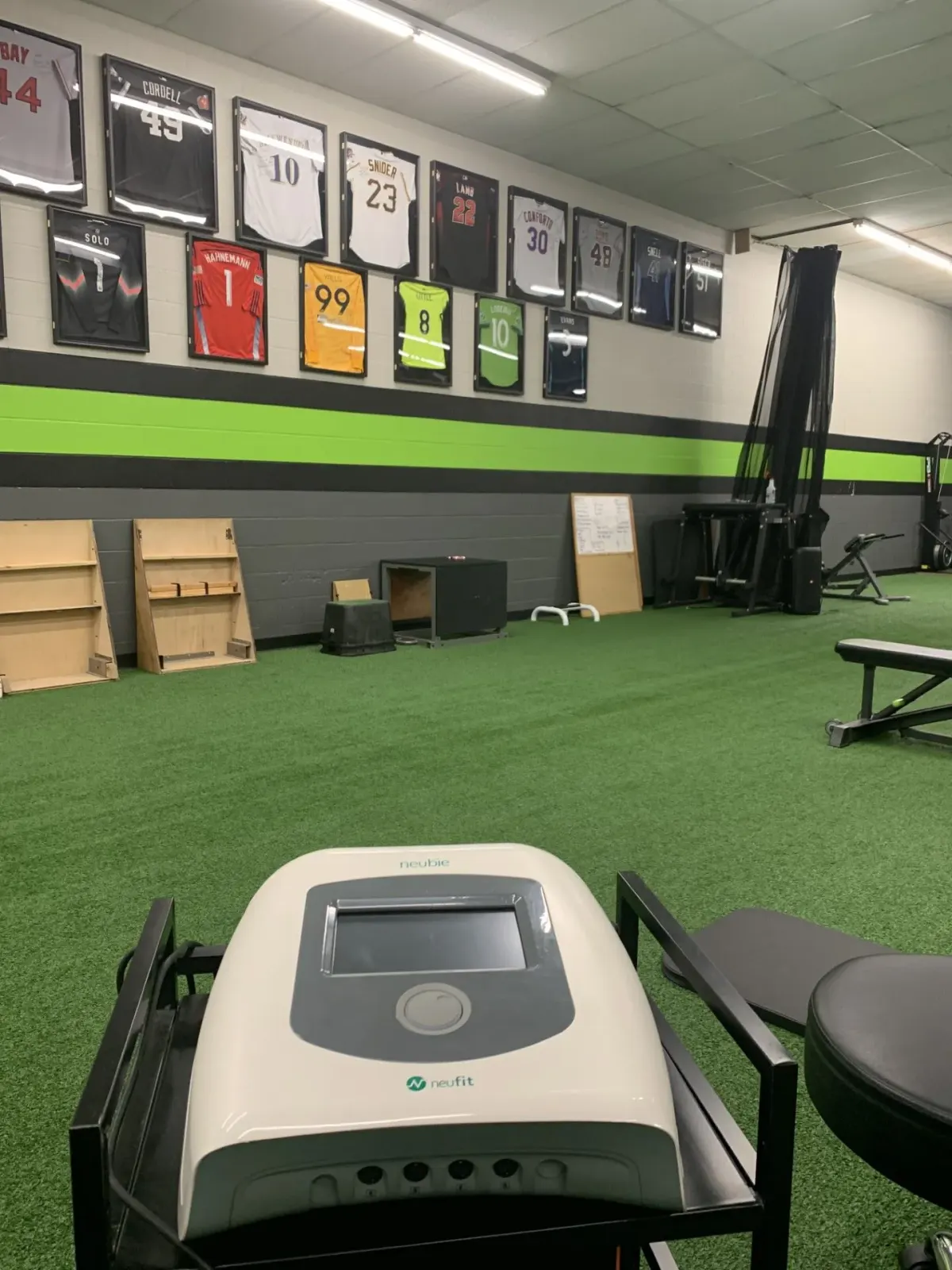
The Neubie (which stands for "Neuro-Bio-Electric Stimulator") is a form of electrical stimulation therapy that works fundamentally differently than the old-school e-stim machines you might have experienced.
Here's the key difference:
| Traditional E-Stim | Neubie Device |
|---|---|
| Uses alternating current (AC) | Uses pulsed direct current (DC) |
| Requires you to lie still | Allows active movement during sessions |
| Focuses on muscle contraction | Targets the nervous system directly |
| Often passive and symptom-focused | Designed for neurological re-education |
That DC current is a game-changer. It is designed to mimic the type of signal your nervous system naturally uses, which means your body can actually learn from it rather than just react to it.
Why Your Nervous System Matters More Than You Think
Think of your nervous system as the software running your body's hardware (muscles, joints, tendons). When you get injured: or even when you develop bad movement patterns over time: your nervous system adapts. Sometimes those adaptations stick around long after the original problem heals.
This is why you might:
- Feel "tight" even though you stretch constantly
- Have one side that's always weaker than the other
- Experience recurring injuries in the same spot
- Hit a wall in your athletic performance
Your nervous system is essentially protecting you from a threat that no longer exists. It's like having a car alarm that keeps going off even though nobody's breaking in.
Electrical stimulation therapy with the Neubie is designed to help "reset" these faulty patterns. It aims to find the areas where your nervous system is limiting output and help re-educate it.
Breaking Through Mobility Plateaus
Here's where things get exciting for athletes and weekend warriors alike.
Traditional rehab often has you lying on a table, passively receiving treatment. The Neubie flips this on its head. Because the DC signal allows for movement during stimulation, you can actually perform eccentric contractions: where your muscle lengthens under tension: while receiving stimulation.
Early research on exercise with the Neubie is small but interesting:
- In a training study on healthy adults, very-low-load knee extensions with the Neubie increased muscle thickness about as much as traditional heavy lifting, though heavy lifting produced bigger strength gains (Hammert et al., JMNI)
- In a single-session comparison, exercise with the Neubie felt easier (lower perceived exertion) than traditional heavy lifting (Vasenina et al., JMNI)

For middle-aged athletes especially, this is huge. You've probably noticed that your body doesn't bounce back like it used to. Traditional high-load training might not even be an option if you're recovering from surgery or dealing with chronic issues. The Neubie is designed to offer a path toward similar muscle adaptations without the same physical burden.
Who Benefits Most From This Approach?
The Neubie is used by pro and collegiate athletes, and people who commonly explore it include:
- Athletes stuck at performance plateaus who can't seem to get faster or stronger
- Post-surgical patients who need to rebuild strength without high-impact loading
- People with chronic tightness that doesn't respond to stretching or massage
- Throwers and overhead athletes dealing with recurring shoulder issues
If you're a baseball or softball player, you know how critical shoulder health is. We've written before about using Muscle Activation Technique and the Neubie to combat shoulder tightness in pitchers: the combination of MAT (to assess muscle imbalances) plus Neubie (designed to support nervous system re-education) is one many athletes use.
The Bigger Picture: Data-Driven Recovery
One thing I'm really excited about is how we're moving toward more data-driven athletic recovery methods. Gone are the days of just "feeling" your way through rehab and hoping for the best.
That's why we built The Diamond Arm Lab, an app that helps athletes and their families track throwing workload and progress over time. When you combine objective data with advanced tools like the Neubie, you can make smarter decisions about when to push and when to pull back.
What to Expect During a Neubie Session
If you've never tried electrical stimulation therapy before, here's what a typical session looks like:
- Assessment – We identify where your nervous system is limiting output using the Neubie's mapping function
- Stimulation – You'll perform specific movements while receiving stimulation to those areas
- Integration – We'll work through functional patterns that aim to help your body "lock in" the new neurological pathways
Sessions typically last 30-60 minutes. Many people notice a difference after one session, though results vary and lasting changes usually take multiple visits.
Key Takeaway: The Neubie isn't magic: it's science. By targeting your nervous system directly, it is designed to address the root cause of many mobility and performance issues that traditional rehab can miss.
Frequently Asked Questions
Is the Neubie painful?
Not really. You'll feel the electrical stimulation, and it can be intense in areas where your nervous system is guarding, but it shouldn't be painful. Most people describe it as a strong "working" sensation.
How is this different from TENS units?
TENS units use AC current primarily for pain relief: they mask symptoms. The Neubie uses DC current and is designed to influence how your nervous system controls your muscles. It aims at the cause, not just the symptom.
How many sessions will I need?
It depends on your situation, and more chronic issues usually take longer. We'll give you an honest assessment after your first visit.
Can I combine this with other treatments?
Absolutely. The Neubie pairs incredibly well with Muscle Activation Technique (MAT) and our Shoulder Care program. In fact, we often use them together.
Do you take insurance?
No. Major League Activation is a private, cash-based service (we don’t bill insurance). If you want, you can text us and we’ll give you straightforward pricing and help you pick a plan that fits your goals.
If you've been stuck in the rehab cycle and feel like you've tried everything, it might be time to look at the problem from a different angle. Your nervous system could be the missing link.
Call or text (360) 836-0107 to set up a time. We'd love to chat about whether the Neubie and our approach to athletic recovery might be right for you.
Serving Seattle / Bellevue / Eastside
Individual results vary. This article is for educational purposes and is not medical advice. Talk with a qualified medical professional about your specific situation.