
The Thrower’s Guide to Shoulder Injury Rehab: What Actually Works After Failed PT
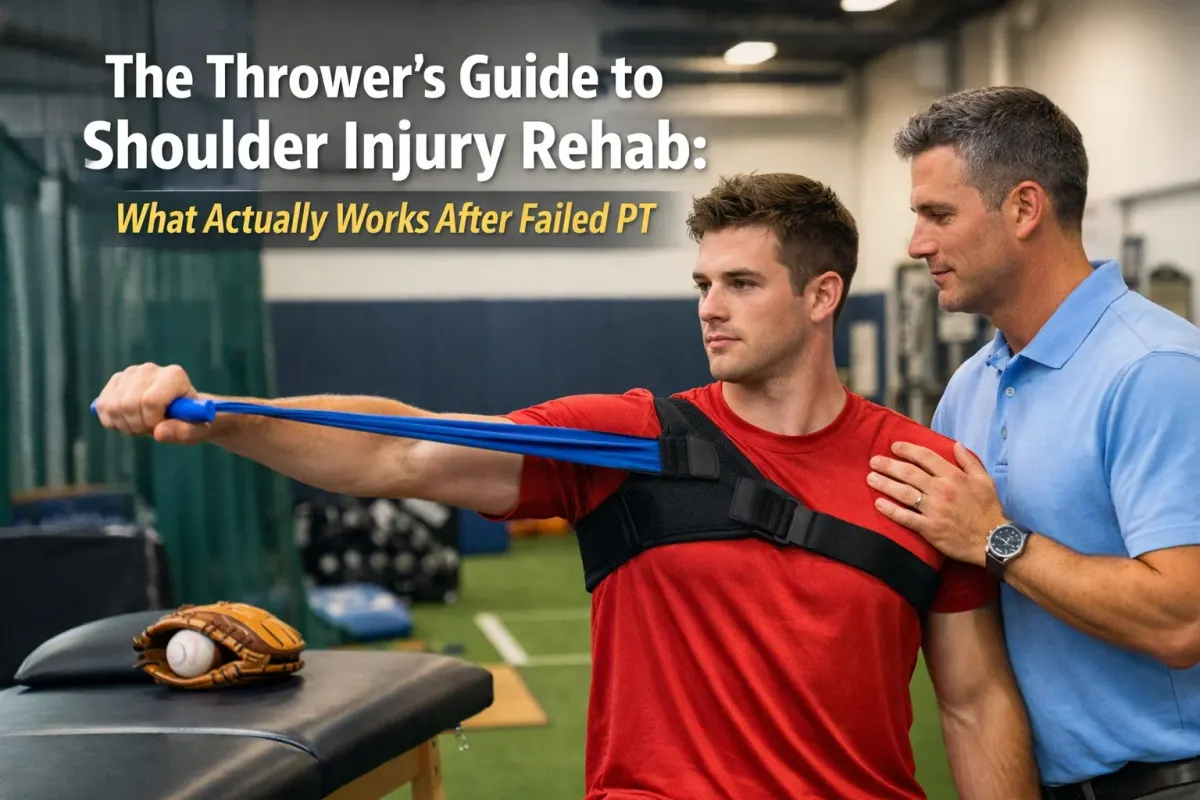
You've done the PT. You've done the exercises. You've iced, stretched, rested, and done everything they told you to do. And yet… your shoulder still doesn't feel right. Maybe it's that nagging pain during the late cocking phase. Maybe it's the tightness that never quite goes away. Or maybe you just don't trust your arm anymore.
If this sounds familiar, you're not alone. I've seen it hundreds of times over 19+ years working with professional baseball players, athletes who've been through the traditional rehab mill and come out the other side still struggling. The frustrating truth? It's usually not because you didn't work hard enough. It's because the approach was wrong from the start.
Let's talk about what actually works.
Why Traditional PT Often Fails Throwers
Here's the thing about most physical therapy programs: they're designed to treat the general population. And for general population issues, they often work great. But throwing a baseball (or softball) is one of the most violent, explosive movements in all of sports. Your shoulder goes through ranges of motion and forces that most people will never experience in their lifetime.
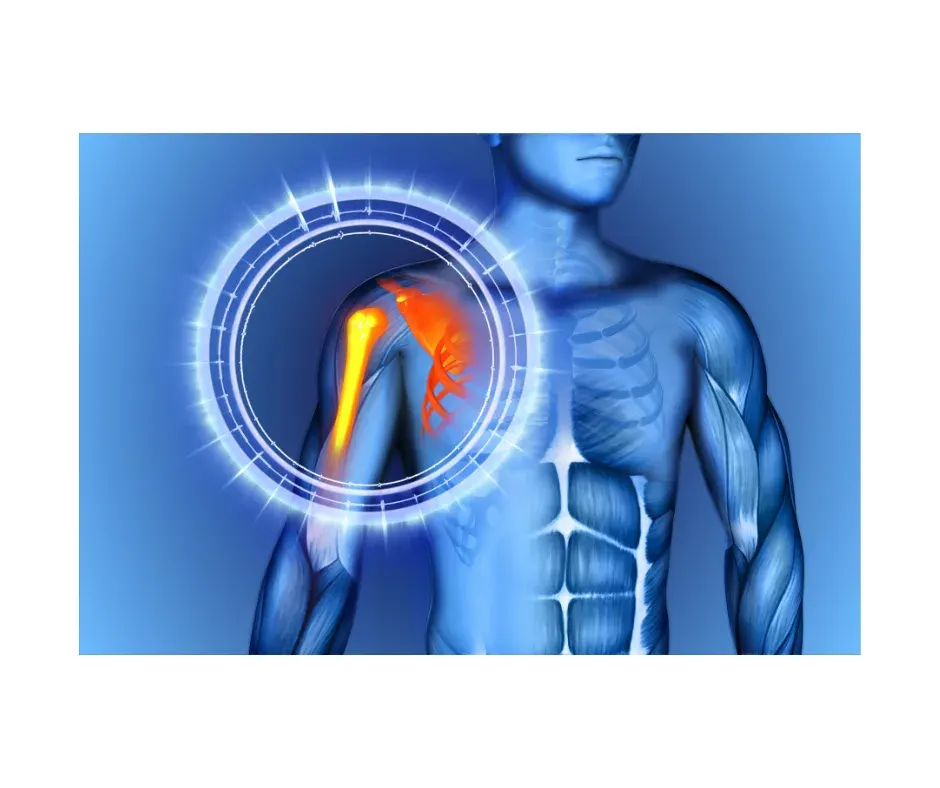
So what happens when you take a throwing shoulder and run it through a cookie-cutter PT protocol? Usually one of these scenarios:
- Symptom chasing: The pain is in your shoulder, so all the focus goes to the shoulder. Meanwhile, the actual problem, maybe a hip that doesn't rotate properly or a core that's not stabilizing, never gets addressed.
- Generic strengthening: You get the standard rotator cuff exercises with a resistance band. These aren't bad exercises, but they often miss why your rotator cuff is struggling in the first place.
- No understanding of throwing mechanics: Your PT might be excellent at their job, but if they've never worked with throwers, they may not understand the unique demands of the throwing motion.
- Treating muscles that aren't actually working: This is the big one. You can strengthen a muscle all day long, but if your nervous system isn't properly activating it, you're building a house on a shaky foundation.
The bottom line: Traditional PT often treats where it hurts, not why it hurts. For throwers, that's a recipe for frustration.
The Real Problem: Compensation Patterns
Let me explain what's really happening with most throwing injuries that won't go away.
Your body is incredibly smart. When a muscle isn't firing correctly, maybe due to stress, overuse, or a previous injury, your body finds a workaround. Other muscles pick up the slack. This is called a compensation pattern, and in the short term, it keeps you functioning.
But here's the problem: those compensating muscles weren't designed for that job. Over time, they get overworked, tight, and eventually painful. So you go to PT, they work on those tight, painful muscles, and you feel better… temporarily. But the underlying issue, the muscle that wasn't firing in the first place, never gets addressed.
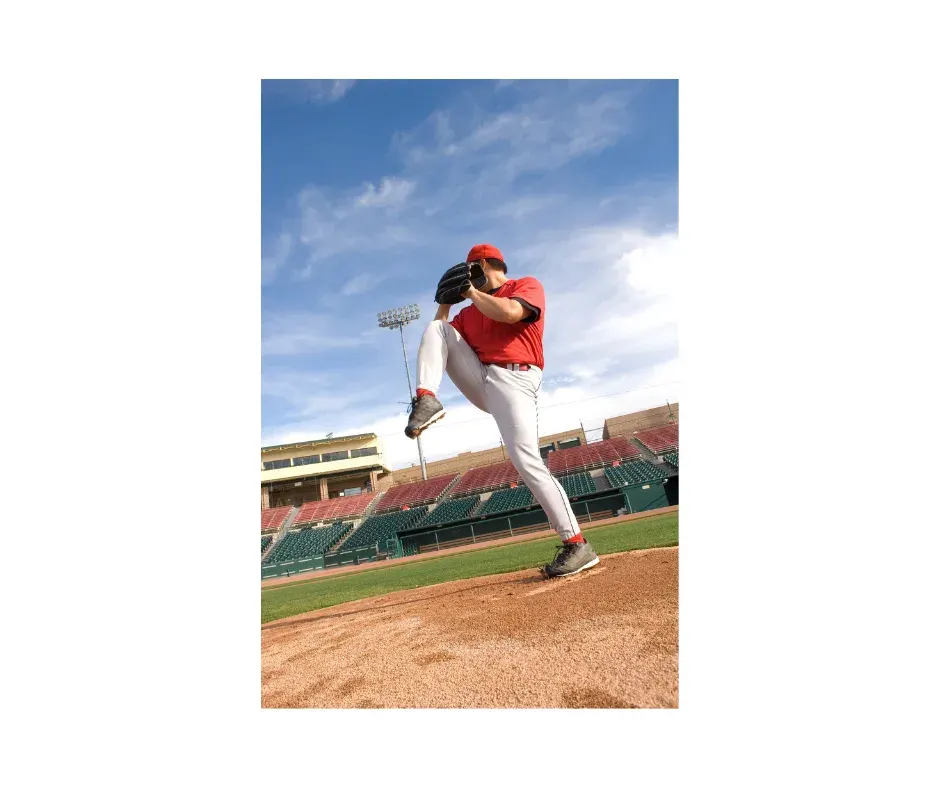
For throwers, this is especially problematic. The throwing motion requires precise coordination of your entire kinetic chain, from your feet through your legs, hips, core, and finally to your shoulder and arm. If one link in that chain isn't pulling its weight, everything else has to compensate. And eventually, something breaks down.
This is why you can do all the shoulder exercises in the world and still have problems. You're strengthening the compensators instead of fixing the weak link.
A Different Approach: Finding and Fixing the Root Cause
So what actually works? In my experience, successful shoulder rehab for throwers comes down to three things:
1. Muscle Activation Assessment
Before you can fix a problem, you have to find it. Muscle Activation Technique (MAT) is a systematic approach to identifying which muscles aren't firing properly. It's not stretching, and it's not traditional strengthening, it's about restoring the communication between your brain and your muscles.
When we assess a thrower, we're not just looking at the shoulder. We're checking everything:
- Hips: Can they rotate properly? Are the glutes actually firing?
- Core: Is it stabilizing, or are you relying on your back and shoulders?
- Scapula: Are the muscles that control your shoulder blade doing their job?
- Rotator cuff: Not just "is it strong," but "is it actually activating when it should?"
Once we identify what's not working, we can work on it directly, aiming to get those muscles firing again and take the load off the compensators.
2. Neural Activation
Your muscles don't do anything without your nervous system telling them to. This is where a lot of rehab falls short, it focuses on the muscle tissue itself without addressing the neural component.
When appropriate, we incorporate the Neubie, a direct current electrical stimulation device that works with your nervous system rather than against it. It can help identify areas where your body is guarding or not activating properly, and it is designed to support the re-education process. It's not magic, and it's not right for every situation, but when combined with MAT and proper assessment, it's a powerful tool.
3. Understanding the Throwing Athlete
This might be the most important piece. After 19+ years working in professional baseball, I've seen just about every throwing injury you can imagine. I understand the demands of the throwing motion, the timeline pressures athletes face, and what it actually takes to get back on the field with confidence.
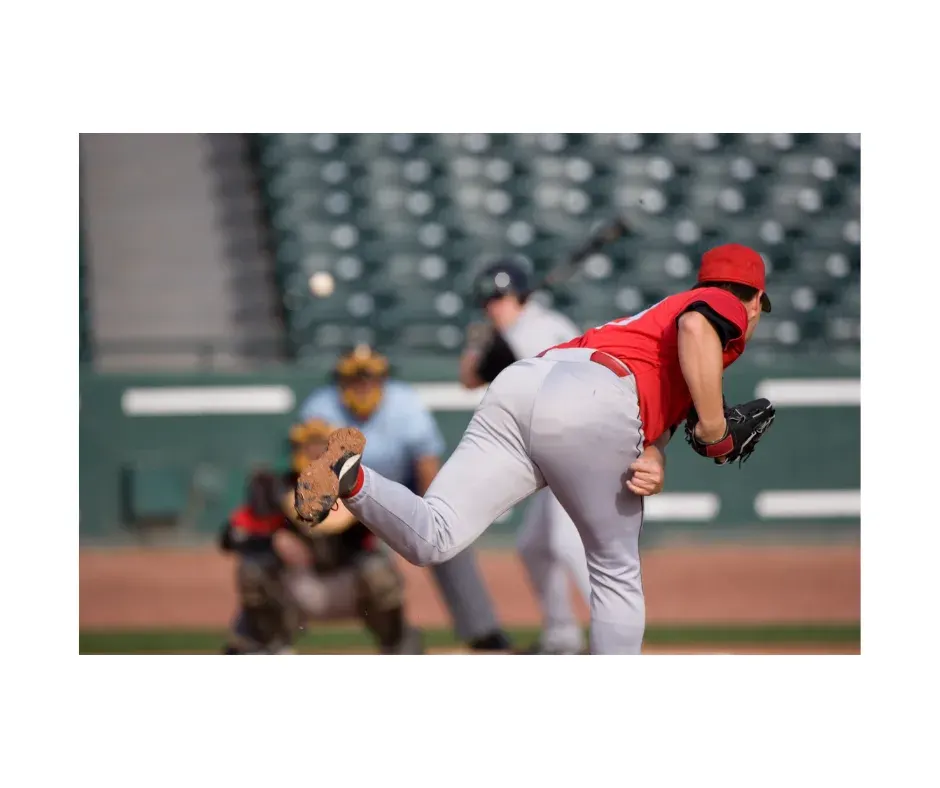
That experience matters. It's the difference between following a generic protocol and understanding why your specific shoulder is struggling and how to address it based on your mechanics, your history, and your goals.
What Recovery Actually Looks Like
Let's be real about timelines. For labral (SLAP) injuries in overhead athletes, the National Athletic Trainers' Association recommends three to six months of nonoperative care before surgery is considered (NATA position statement). Anyone promising you a quick fix is probably setting you up for disappointment.
But here's what should be happening during that time:
- You should understand your problem: Not just "shoulder impingement" or "rotator cuff strain," but what's actually causing it and why
- You should feel progress: Maybe not every day, but definitely week to week
- Your entire kinetic chain should be addressed: If all the focus is on your shoulder, that's a red flag
- Your throwing mechanics should be considered: Rehab doesn't happen in a vacuum: it should prepare you to actually throw again
Who This Is For (Hint: Not Just Pros)
Here's something I believe strongly: every athlete deserves pro-level care.
Whether you're a 13-year-old travel ball player, a college pitcher, or a 45-year-old who still plays in a weekend league, your shoulder doesn't know the difference. The biomechanics are the same. The injury mechanisms are the same. And the approach to addressing them should be the same.

At Major League Activation, we approach everyone like a pro athlete: because you deserve that level of attention and expertise. We're not going to hand you a sheet of exercises and send you on your way. We're going to dig into what's actually going on and build a plan that addresses your specific issues.
When It's Time to Try Something Different
If you've been through PT and you're still struggling, it might be time for a different approach. Not because your previous providers were bad at their jobs, but because the throwing shoulder requires specialized knowledge and techniques that most general PT programs don't offer.
Here are some signs it's time to look elsewhere:
- You've completed a full course of PT but still don't trust your arm
- Your pain went away but came back as soon as you started throwing again
- Nobody has ever assessed your hips, core, or overall movement patterns
- You've been told to "just rest" multiple times without real improvement
- You're doing exercises but nobody has explained why they should help
Ready to Take the Next Step?
If you're tired of the rehab roller coaster and ready to actually address the problem, let's talk. We'll assess what's really going on, identify those compensation patterns, and build a plan aimed at getting you back to throwing with confidence.
Call or text (360) 836-0107 to set up a time.
You can also check out our Shoulder Care program or read more about what to expect from your first visit.
Your arm may have more to give. Let's find out what's been holding it back.
Individual results vary. This article is for educational purposes and is not medical advice. Talk with a qualified medical professional about your specific situation.