
The Ultimate Guide to Baseball Injury Prevention: Everything You Need to Succeed This Season

Does the thought of a "pop" in your elbow or a sharp twinge in your shoulder keep you up at night? Have you ever felt like you were doing everything right, the long toss, the icing, the "stretching", only to find yourself sidelined just as the season starts heating up?
If you’re a player, a parent, or a coach, you know the stakes. In the world of baseball, availability is the best ability. You can have a 95-mph fastball or a gold-glove caliber backhand, but none of it matters if you’re stuck on the bench in a sling.
The reality is that injury prevention isn't just about luck; it’s about a systematic approach to how your body moves, how it recovers, and how it prepares for the specific stresses of the diamond. In my view, most traditional "prevention" programs fail because they focus on the symptoms rather than the underlying neurological "on-off" switches of your muscles.
In this guide, we’re going to break down exactly how to keep your body right for the long haul. We’ll look at Muscle Activation Technique (MAT), an approach used by pro and collegiate athletes, the power of data-driven Shoulder Care, and the daily habits that separate the pros from the "could-have-beens."
The Myth of "Tightness": Why You Shouldn't Just Stretch
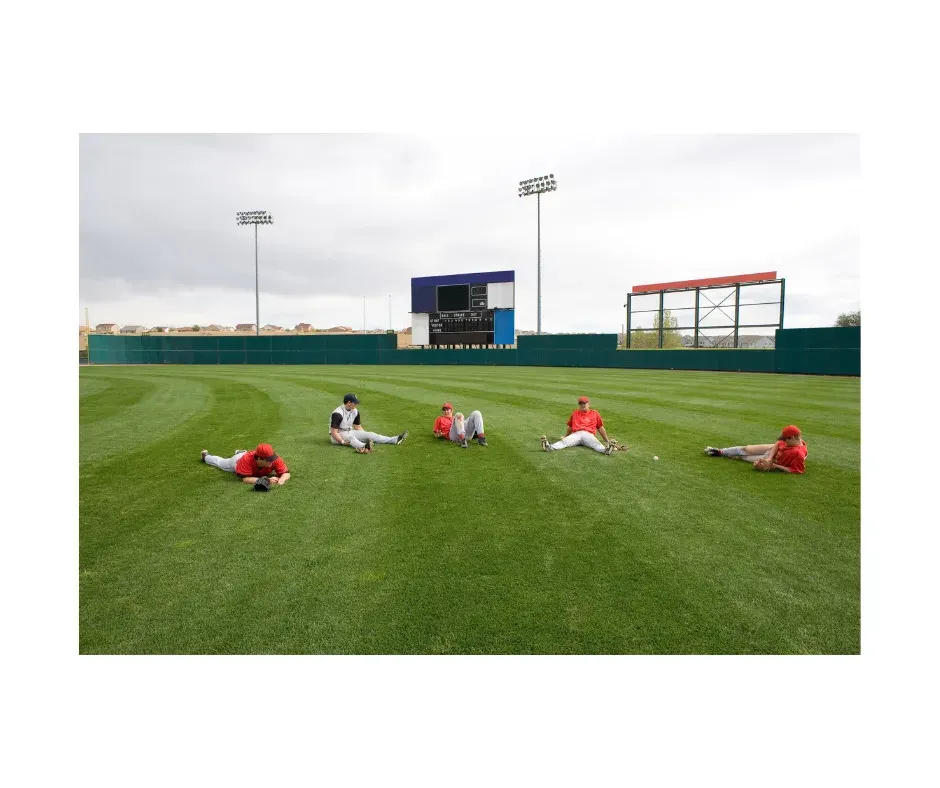
We’ve all seen it: a line of players in the outfield reaching for their toes or pulling their arms across their chests. But here’s a professional secret: Tightness is often a protective mechanism, not a lack of flexibility.
When your brain senses that a joint is unstable, perhaps because certain muscles aren't firing properly, it sends a signal to the surrounding muscles to tighten up. It’s like a biological "parking brake." If you simply try to stretch that "tight" muscle without addressing why it’s tight, you’re essentially trying to drive through the parking brake. You might get a temporary release, but you’re actually making the joint more vulnerable.
At Major League Activation LLC, we look at things differently. Instead of stretching, we focus on Muscle Activation Technique (MAT).
What is MAT?
MAT is a non-invasive process that identifies and addresses muscular imbalances. Think of your muscles like a series of lightbulbs connected to a circuit board. If a bulb is flickering or dark, the rest of the circuit has to work overtime to light the room. That "overtime" is what leads to compensation, fatigue, and eventually, injury.
- Assessment: We find which muscles aren't communicating properly with the nervous system.
- Correction: We use specific palpation or isometric contractions to "jumpstart" those muscles.
- Goal: By improving muscle function, your range of motion (ROM) can increase naturally because your brain finally feels safe enough to let the "parking brake" off.
Mastering Your Shoulder Care
For a baseball player, your shoulder is your livelihood. Whether you’re a pitcher or a catcher, that joint takes a beating. Traditional "arm care" is often just a set of generic band exercises done with poor form at the end of a long practice.
Ideally, your Shoulder Care should be reactive to your body's daily state. This is where The Diamond Arm Lab comes in.
The Diamond Arm Lab App
In my opinion, the biggest mistake players make is guessing. They "feel" okay, so they throw 100%. But "feeling" okay is subjective. The Diamond Arm Lab app turns subjective feelings into objective data.
By using the app, you can track your daily arm health, monitor your workload, and receive specific activation protocols tailored to what your body needs that day. It’s like having a high-level performance coach in your pocket. If the data shows your internal rotation is dropping or your strength is flagging, you don’t wait for the pain to start: you adjust your workload immediately.
Key Takeaway: Consistent data beats "gut feeling" every time. You can find workload-tracking tools at www.diamondarmlab.com.
The "Too Much, Too Soon" Trap: Workload Management
Most youth injuries don't happen because of one "bad" pitch. They happen because of the cumulative effect of months of overwork. This is known as the "Acute:Chronic Workload Ratio." If you go from throwing zero pitches a week in January to throwing 80 pitches in a game in February, your risk of injury skyrockets.
Actionable Steps for Workload Management:
- Follow the 10% Rule: Try not to increase your total weekly throwing volume by more than 10% each week.
- Monitor Pitch Counts: This isn't just for games. Bullpens and heavy long-toss sessions count toward your arm’s "odometer."
- Respect the Rest: If you’re a pitcher, pay close attention to mandatory rest days based on your age and pitch count. These aren't suggestions; they are safety requirements.
Dynamic Readiness: The 10-Minute Activation
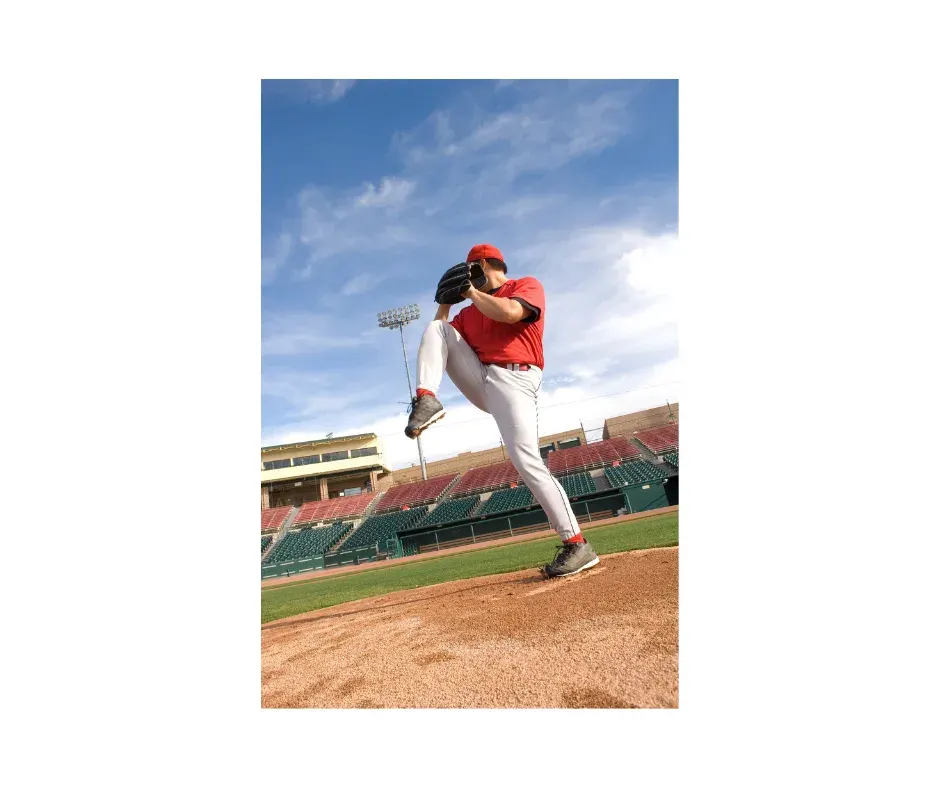
Before you even pick up a ball, your nervous system needs to be awake. A 30-second static stretch isn't going to cut it. You need a dynamic warm-up that prepares your joints for the explosive movements of baseball.
- Phase 1: General Movement (3-5 mins): Jogging, side-shuffling, and high knees to get the blood flowing.
- Phase 2: Specific Activation (5 mins): Focus on the hips and shoulders. Think "cat-camel" for the spine, "bird-dogs" for the core, and "I-Y-T" raises for the posterior shoulder.
- Phase 3: Nervous System Prep (2 mins): Short bursts of speed or quick-feet drills to tell your brain it’s time to move fast.
Identifying Red Flags: When to Shut It Down
Part of being an expert athlete is knowing the difference between "sore" and "injured." Playing through a little muscle soreness after a long layoff is normal. Playing through sharp, localized pain is a recipe for surgery.
Watch out for these Red Flags:
- Pain that lingers: If your arm still hurts 48 hours after throwing, something is wrong.
- Loss of Velocity: A sudden drop in speed is often the body’s way of "governing" itself to prevent a major tear.
- Numbness or Tingling: This suggests nerve involvement and needs immediate attention.
- Night Pain: If you can’t sleep because your shoulder or elbow throbs, you need a professional evaluation.
If you’re experiencing any of these, don't just "ice it and see." Call or text (360) 836-0107 to set up a time for an assessment. We can use MAT to see if those muscles are actually supporting the joint or if they’ve "checked out" due to fatigue.
The Hidden Killers: Sleep, Hydration, and Nutrition
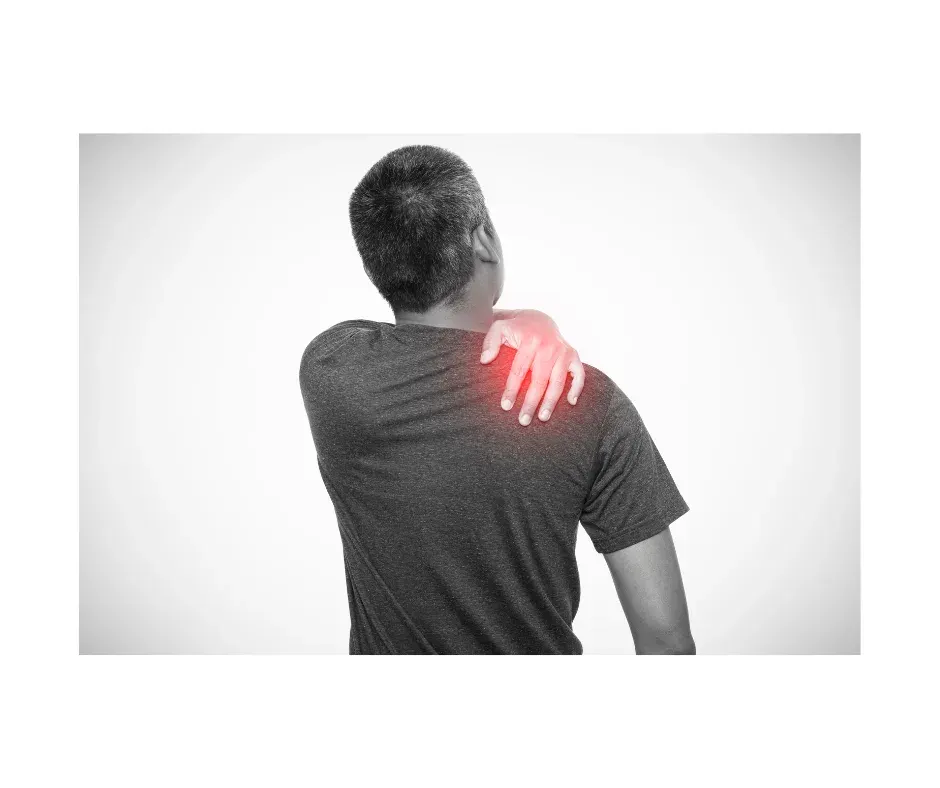
You can have the best Shoulder Care routine in the world, but if you’re only sleeping four hours a night and living on fast food, your tissues will be brittle.
- Sleep: This is when your body repairs the micro-tears in your muscles. Teens should aim for 8-10 hours a night (American Academy of Sleep Medicine). In one study of middle and high school athletes, those who averaged less than 8 hours a night were 1.7 times more likely to have had an injury (Milewski et al., 2014).
- Hydration: Dehydrated muscles are less elastic and more prone to strains. If you wait until you’re thirsty, you’re already behind.
- Nutrition: Your body needs fuel to recover. Focus on lean proteins and complex carbohydrates to replenish the glycogen you burned during that double-header.
Building a Resilient Athlete
Injury prevention isn't a "one-and-done" checklist. It is a culture of care that you build throughout the year. It involves:
- Off-Season: Building a base of strength and addressing imbalances via MAT.
- Pre-Season: Gradually ramping up throwing volume and refining mechanics.
- In-Season: Prioritizing recovery, monitoring data with The Diamond Arm Lab, and using Shoulder Care protocols to maintain strength.
At Major League Activation LLC, we’ve seen how transformative it can be when a player stops fighting their own body and starts working with it. When your muscles are activated and your workload is managed, many athletes notice they perform better. Your "top end" velocity can feel easier to reach, and recovery can feel quicker.
Don't wait for a season-ending injury to take your health seriously. Be proactive. Take control of your career today.
Ready to optimize your performance and stay on the field?
Check out our full range of services and digital resources at www.majorleagueactivation.com. Whether you’re looking for 1-on-1 MAT sessions, Neubie electrical stimulation designed to support recovery, or specialized arm care programs, we’ve got your back.
And remember, for the ultimate in daily arm health monitoring, visit www.diamondarmlab.com to get started with our signature app.
Call or text (360) 836-0107 to set up a time. Let's get you activated and ready for your best season yet!
Individual results vary. This article is for educational purposes and is not medical advice. Talk with a qualified medical professional about your specific situation.