
Velocity vs. Longevity: Balancing the Scale for Young Arms
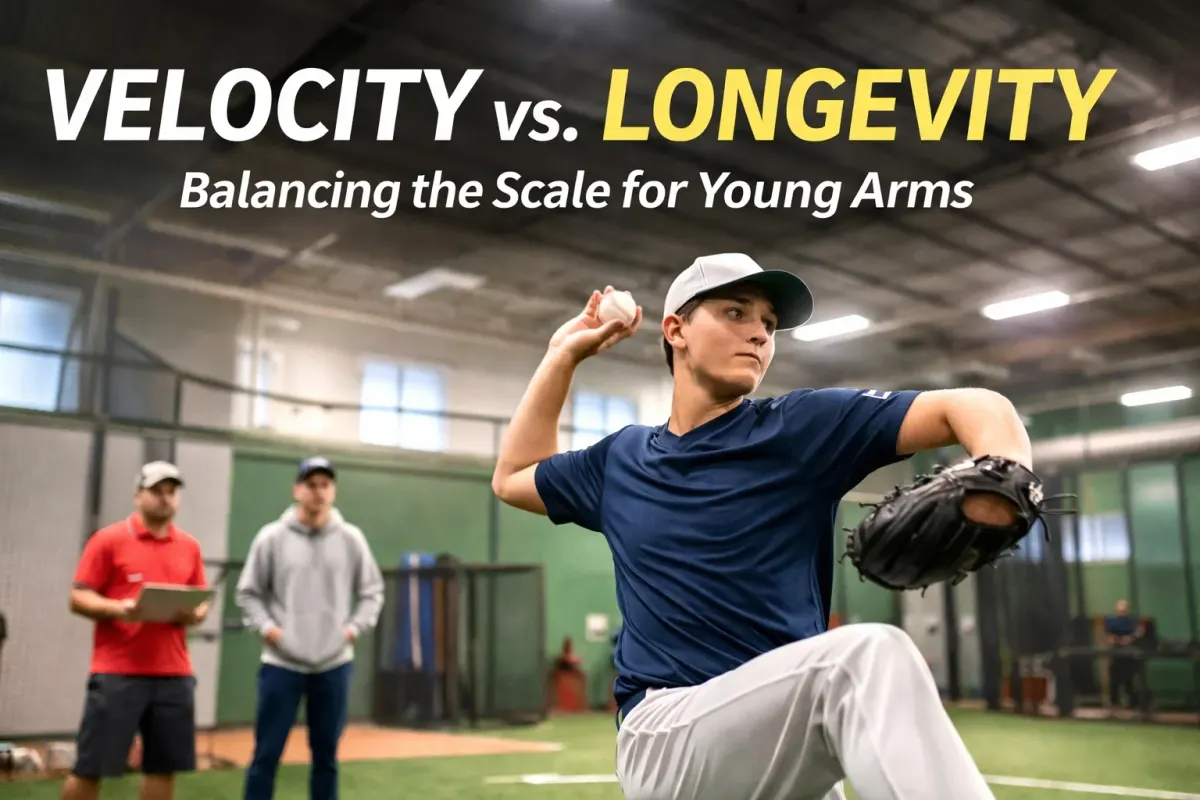
Have you ever caught yourself checking the radar gun more than your kid's mechanics? You're not alone. Every parent wants to see those numbers climb: it feels like validation that all those lessons, camps, and weekend tournaments are paying off.
But here's the uncomfortable truth: the obsession with velocity is one of the biggest threats to your young pitcher's long-term career. And I'm not saying velocity doesn't matter. It absolutely does. What I am saying is that how you chase it makes all the difference between a kid who plays in college and one who's dealing with arm problems by high school.
Let's talk about finding that balance between throwing hard and throwing for years to come.
The Velocity Trap: Why Everyone's Chasing Numbers
A 2024 MLB-commissioned study pointed to rising pitch velocity and max-effort pitching as likely drivers of the increase in pitcher arm injuries, and those velocity-first habits show up at the youth level too (Philadelphia Inquirer). Throwing harder sounds like progress, right? Faster is better in baseball.
The problem is what's happening behind the scenes. When young arms chase velocity without a proper foundation, they're essentially writing checks their bodies can't cash. The force has to go somewhere: and when the muscles aren't activating correctly or the mechanics are off, that force gets absorbed by tendons, ligaments, and growth plates.
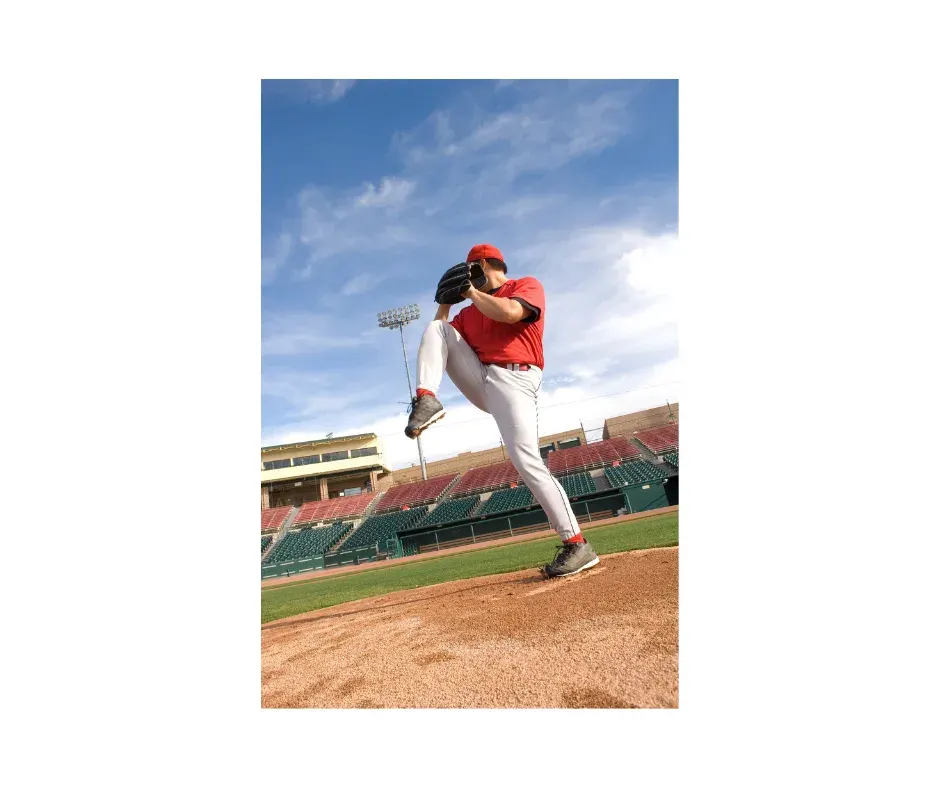
Here's what I see way too often:
- A 12-year-old throws 65 mph and everyone gets excited
- Parents and coaches push for more velocity
- The kid starts muscling the ball instead of using efficient mechanics
- Compensations develop because certain muscles aren't doing their job
- Six months later, elbow or shoulder pain shows up
The radar gun doesn't tell you what's actually happening in the body. It only tells you the end result: and sometimes that result is being achieved in ways that aren't sustainable.
Why Foundation Matters More Than Raw Speed
Here's something that might surprise you: the legs and trunk are the main force generators in pitching, and lower-body and trunk mechanics like pelvis rotation speed, forward trunk tilt, and timing have all been linked to ball velocity (Seroyer et al., 2010).
What does that mean in plain English? Young pitchers who develop sound mechanics and proper muscle activation can throw just as hard: without destroying their arms.
The foundation I'm talking about includes:
- Muscles that actually fire when they're supposed to. This is what Muscle Activation Technique (MAT), used by pro and collegiate athletes, is designed to address. If certain muscles aren't activating properly, the body compensates. Those compensations create inefficient movement patterns and eventually pain.
- Hip mobility and trunk rotation. The arm is really just the last link in the chain. Power comes from the ground up.
- Consistent, progressive training. Not sporadic intensity followed by rest. The biggest killer of velocity development isn't lack of talent: it's lack of consistency and long-term commitment.
Here's the reality: Healthy velocity gains usually come gradually, year over year. That might not sound exciting, but it compounds: while prioritizing arm health.
The Data Problem (And How We're Solving It)
One of the biggest challenges in baseball injury prevention is that most families have no idea what their young pitcher's actual workload looks like. You might know they pitched 4 innings on Saturday, but what about:
- The 50 throws in the backyard on Tuesday?
- The bullpen session Wednesday?
- The long-toss on Thursday?
- The showcases where they're throwing max effort to impress scouts?
It adds up fast. And without tracking this data, you're flying blind.
This is exactly why we built The Diamond Arm Lab. It's an app that puts workload tracking directly in your hands. No more guessing. No more hoping your kid tells you how many pitches they actually threw.
The app helps you:
- Track pitch counts and throwing sessions across all activities
- Monitor rest and recovery periods
- Spot concerning workload trends early
- Make informed decisions about when to push and when to pull back
Think of it as moving from notebooks and memory to actual data you can act on. Because in my view, the families who embrace data-driven sports performance training are better positioned to help their kids stay healthy long enough to reach their potential.
Building Sustainable Velocity: The Smart Approach
So how do you help your young pitcher throw harder without sacrificing their future? Here's the approach we take:
Address Muscle Activation First
Before adding velocity training, we need to know if all the right muscles are actually working. MAT helps identify and correct these issues: it is designed to support range of motion by enhancing muscle function, not just stretching tight areas. When muscles activate properly, the body can move more efficiently, and some athletes see velocity improve as a result.
Prioritize Arm Care
Incorporating dedicated arm care into youth pitching programs is designed to support both performance and arm health. This isn't optional: it's foundational. Our Shoulder Care program specifically addresses the demands placed on throwing shoulders.
Train Consistently, Not Sporadically
The worst pattern I see? Kids who throw max effort during season, take months completely off, then ramp back up too quickly. Velocity gains compound through months and years of training: not short bursts followed by downtime.
Track Everything
Log every throwing session: not just games and bullpens. The Diamond Arm Lab makes this easy, but even a simple notebook beats memory.
Respect the Process
Chasing velocity shortcuts almost always backfires. The kids who end up throwing 90+ in high school are usually the ones who took the long view: building their bodies correctly instead of burning them out at 14.
Frequently Asked Questions
How do I know if my kid is compensating when they throw?
Watch for inconsistencies in their delivery, complaints about arm tiredness (not just soreness), and changes in accuracy. If velocity is going up but control is getting worse, that's often a red flag. A professional assessment like MAT can identify specific muscles that aren't activating properly.
Is it bad to want my kid to throw harder?
Not at all: velocity is important for competitive success. The key is how you pursue it. Building velocity through proper mechanics, muscle activation, and consistent training is very different from muscling the ball or throwing max effort every session.
At what age should we start tracking pitch counts seriously?
Now. Seriously: if your kid is pitching in games, you should be tracking. Little League has pitch count rules for a reason, but those minimums don't account for all the throwing outside of games.
What's the most common mistake parents make with young pitchers?
Allowing (or encouraging) year-round pitching without adequate rest periods and without tracking total workload. The arm needs recovery time, and every throw counts: not just game pitches.
How can MAT help my young pitcher?
MAT assesses muscle activation and imbalances throughout the body. When muscles fire correctly, movement can become more efficient. Many athletes notice improved range of motion and fewer compensation patterns, and MAT is designed to support performance with less stress on vulnerable areas like the elbow and shoulder.
Ready to help your young pitcher build velocity the right way? Call or text (360) 836-0107 to set up a time. Let's make sure they're throwing hard and throwing for years to come.
Serving Seattle / Bellevue / Eastside
Individual results vary. This article is for educational purposes and is not medical advice. Talk with a qualified medical professional about your specific situation.