
Why Your “Tight” Hamstrings Aren’t Actually Tight
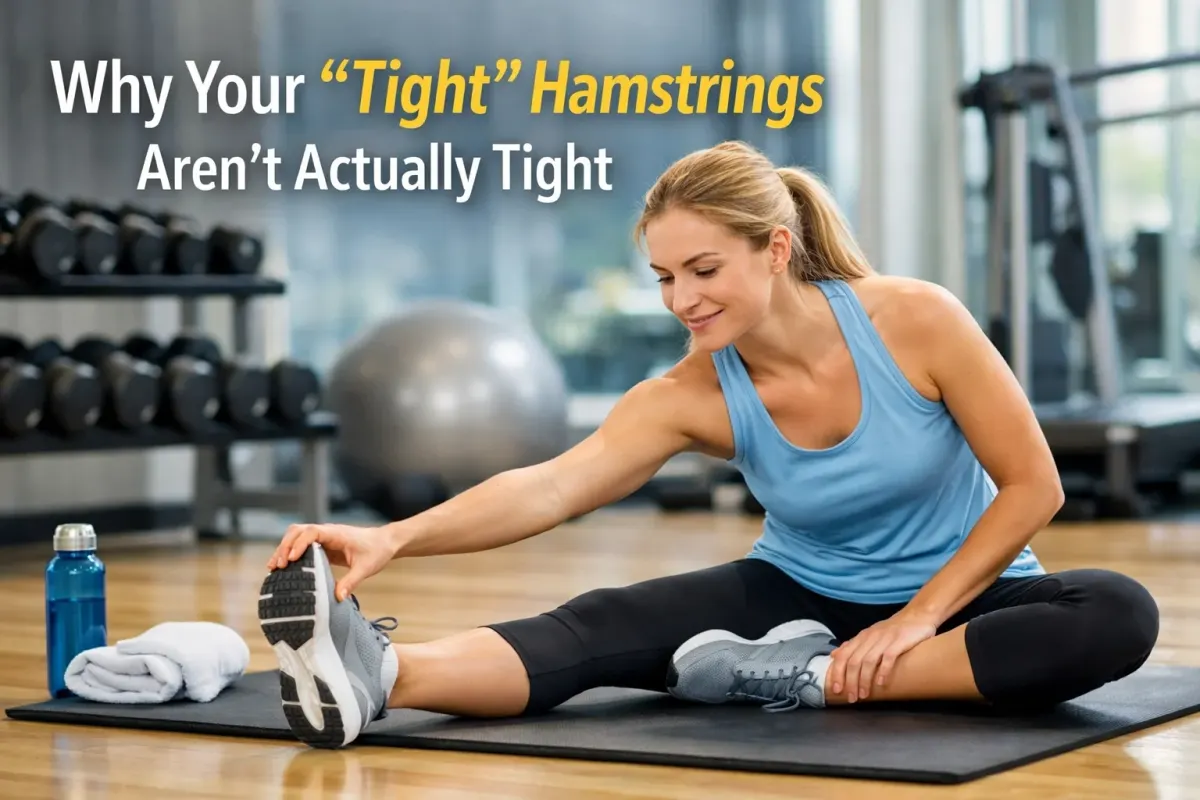
Do you start every morning by reaching for your toes, hoping that today is the day your hamstrings finally decide to loosen up? Maybe you’re a weekend warrior trying to stay on the field, or perhaps you’re an athlete who feels like your speed is being held back by two stiff cables running down the back of your legs.
You stretch. You foam roll. You use the lacrosse ball until you’re bruised. And yet, thirty minutes later, that familiar, nagging tightness returns.
If this sounds like you, I have a "myth-buster" realization that might frustrate you at first, but it may change how you think about the way you move: Your hamstrings probably aren’t actually tight.
In my 19 years of working with everyone from high-level pros to people just trying to walk the dog without pain, I’ve seen this a thousand times. We’ve been conditioned to believe that if a muscle feels "tight," the solution is to pull on it. But in the world of human mechanics and the nervous system, "tightness" is rarely a length issue. It’s a communication issue.
The "Emergency Brake" Phenomenon
Think of your nervous system as the ultimate security guard for your body. Its primary job isn't to help you hit a home run or run a 5k; its primary job is to keep you safe.
When your brain perceives weakness or instability in a joint: like your hip or your spine: it creates tension to protect you. I call this the "Emergency Brake." If your glutes or your core muscles aren't firing properly (meaning they aren't providing the stability the joint needs), your brain will send a signal to the hamstrings to "lock down."
"Tightness is almost always a protective tension from the nervous system because other muscles aren't doing their job."
By tightening the hamstrings, your brain is essentially creating a makeshift splint to keep your pelvis and lower back from moving into a range of motion it can't control. If you keep stretching that "tightness" away without addressing the underlying weakness, you are literally trying to rip the emergency brake off while the car is still on a hill. Your brain will respond by making the hamstrings even tighter the next time.
Is it Muscle or Nerve?
One of the biggest red flags I look for is where you actually feel the "stretch."
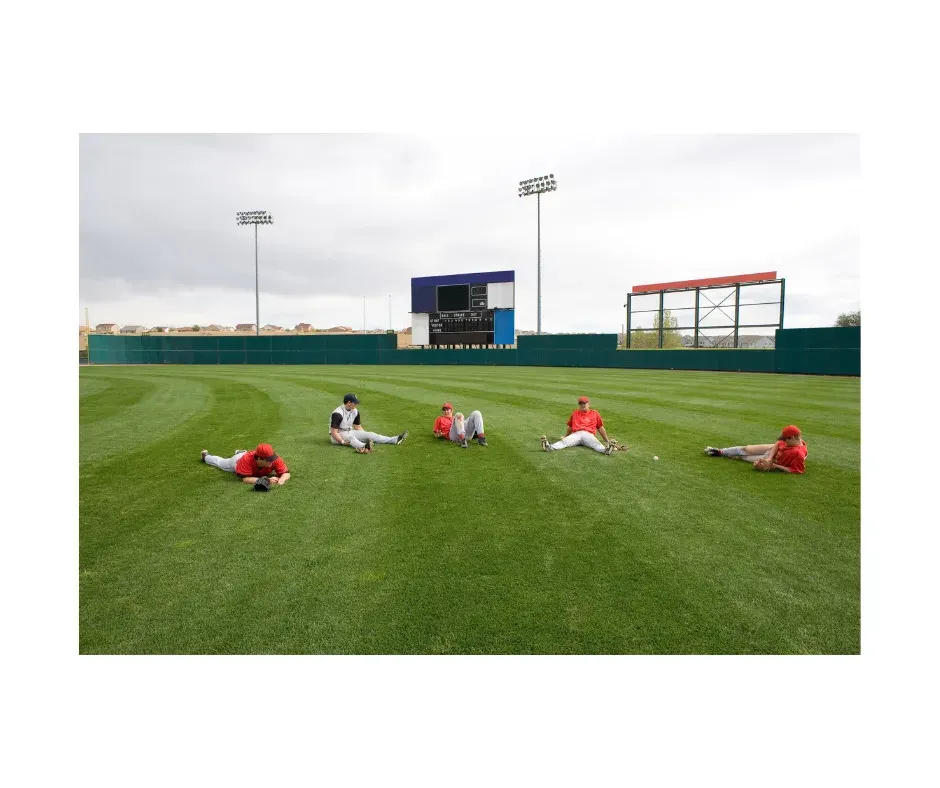
If you are leaning over to touch your toes and you feel a sharp, pulling sensation right behind your knee or high up near your "sit bone," you probably aren't stretching your muscle at all. You’re likely tugging on your sciatic nerve.
Your nerves don't like to be stretched. They like to "slide" and "glide" through your tissues. When your lower back is stiff or your pelvis is out of alignment, it takes the "slack" out of the nerve. Imagine a guitar string: if you tighten it at the tuning peg (your lower back), the whole string becomes taut.
When you feel that "tightness" behind the knee, that’s your nerve screaming for you to stop. Pushing through that doesn’t make you more flexible; it just inflames the nerve and reinforces the brain's desire to keep everything locked down.
Why Stretching is Failing You
If stretching worked for chronic tightness, you wouldn't have to do it every single day for years. True flexibility comes from stability.
In my view, the traditional "stretch and pray" method is one of the biggest time-wasters in fitness. Here is why it fails:
- The Compensation Trap: Your body is a master of cheating. If your hamstrings feel tight because your hip flexors are shortened from sitting all day, stretching the hamstrings just allows your pelvis to tilt further out of position.
- Short-Term Relief, Long-Term Risk: Stretching can temporarily numbs the Golgi Tendon Organs (the sensors in your muscles), giving you a false sense of range of motion. But because the muscle still isn't "firing" correctly to support that new range, you’re actually more prone to a strain or tear.
- Ignoring the Root Cause: If your glutes are "asleep" (underactive), your hamstrings have to do double duty. They act as the primary mover and the stabilizer. They are exhausted. Exhausted muscles feel tight.
The Major League Activation Approach: MAT
This is where Muscle Activation Technique (MAT) comes in. At Major League Activation LLC, we don't look at the hamstrings in a vacuum. We look at the whole system.
Instead of asking, "How do we loosen this muscle?" we ask, "Why is the brain holding this muscle tight?"
MAT is a non-invasive process where we check the range of motion of your joints to find where the "off" switches are. If we find that your hip can’t rotate properly because a specific muscle isn't firing, we use precise palpation to "re-activate" that connection.

The goal? Once the brain feels that the stabilizing muscles are back online, it can release the "emergency brake" on the hamstrings. Many athletes notice their range of motion improves right away: not because we pulled on the muscle, but because the work aims to restore the body's internal support system.
The Role of Shoulder Care and Total Body Balance
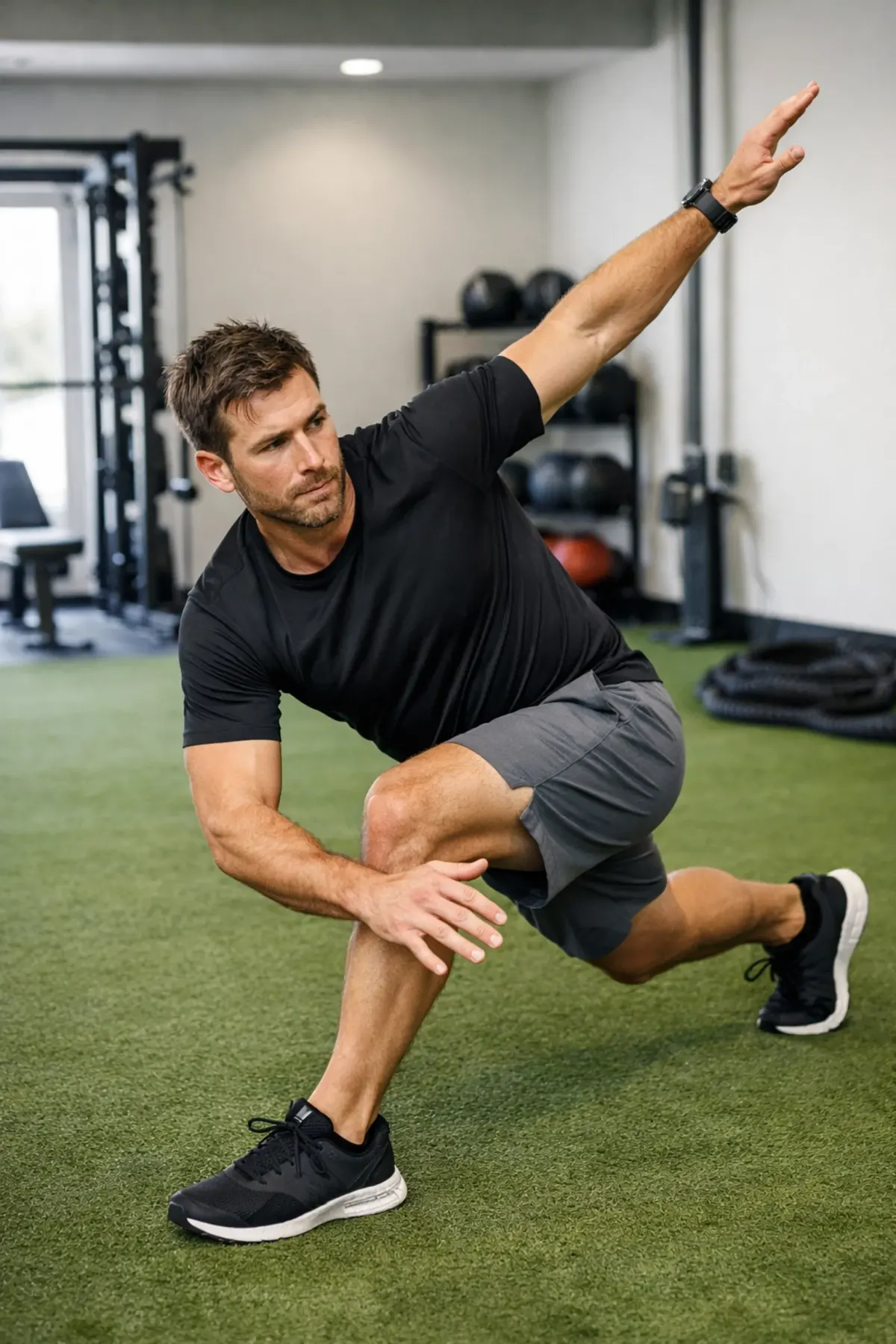
You might wonder what your shoulders have to do with your hamstrings. In an athletic move: like a pitcher’s windup or a golfer’s swing: the body moves in "slings." A weakness in the opposite shoulder can actually cause the brain to tighten the diagonal hip and hamstring to create a stable base.
This is why we focus heavily on Shoulder Care and overall movement quality. If your upper body is throwing off your center of gravity, your legs are going to pay the price. We often use tools like The Diamond Arm Lab app to help athletes track their workload and follow their arm care programs.
The 30-Second Reality Check
Want to know if your hamstrings are actually short or if it’s just protective tension? Try this simple test:
- Stand up and reach for your toes. Note how far you get.
- Now, find a chair or a wall. Do 10 slow, controlled glute bridges or "clamshells" to get your butt muscles working. Focus hard on feeling the muscle squeeze.
- Immediately stand back up and reach for your toes again.
If you suddenly feel "looser" or can reach an inch further, your hamstrings didn't magically grow an inch in 30 seconds. Your brain simply felt a little more stability in your hips and let out the "brake."
Moving Forward: Stop Stretching, Start Activating
If you are tired of the constant cycle of tightness and want to actually fix the root cause, it’s time to change your strategy.
- Stop the aggressive static stretching. If it hasn't worked by now, it isn't going to.
- Focus on stability. Work on core and glute activation before you play or workout.
- Get an assessment. Let a professional find which muscles are "offline."
At Major League Activation, we specialize in identifying these compensation patterns. Whether you're dealing with "tight" legs or looking for better Shoulder Care to stay on the mound, we focus on the neurological connection between your brain and your muscles.
Don't let your body's self-defense mechanism hold you back from your best performance. It’s time to take the emergency brake off.
Ready to stop guessing and start activating?
Call or text (360) 836-0107 to set up a time.
For those of you looking to take your performance and arm health to the next level, I highly recommend downloading The Diamond Arm Lab app. It’s a great way to track your workload and stay on top of your arm care routine.
In my view, the most frustrating "injuries" are the ones that don't show up on an MRI but keep you feeling 50% of your potential. Most of the time, the answer isn't "more rest"; it's better activation.
Individual results vary. This article is for educational purposes and is not medical advice. Talk with a qualified medical professional about your specific situation.